
Luxury hospitality brands invest heavily in social media, yet many marketing directors struggle to convert followers into direct bookings. The challenge isn’t visibility but strategy. Without a clear roadmap, social media becomes an expensive photo album rather than a revenue driver. This guide delivers a proven, stepwise strategy tailored for U.S. luxury hospitality marketers in 2026, helping you increase direct bookings, deepen guest engagement, and strengthen brand prestige through optimized social media execution.
Table of Contents
- Prerequisites: What You Need Before Starting Your Social Media Strategy
- Step 1: Selecting The Right Social Media Platforms For Luxury Hospitality
- Step 2: Developing Engaging, Authentic Content To Tell Your Luxury Brand Story
- Step 3: Leveraging Influencer Partnerships With Clear ROI Measurement
- Step 4: Integrating Direct Booking Capacities And Retargeting On Social Platforms
- Common Mistakes And Troubleshooting In Luxury Hospitality Social Media
- Expected Results: Measurable Outcomes And Success Metrics
- Optimize Your Luxury Hospitality Digital Marketing With Lind Creative
- Frequently Asked Questions
Key Takeaways
| Point | Details |
|---|---|
| Platform Selection | Instagram drives 61% of traveler bookings, making it essential for luxury brands. |
| Website Readiness | Fast, mobile-first sites are critical before launching campaigns to retain social traffic. |
| Content Authenticity | 84% of affluent consumers engage more with curated luxury content and guest stories. |
| Direct Booking Integration | Native booking features can increase bookings by up to 20% within months. |
| Measurement Focus | Consistent tracking and optimization separate successful campaigns from failed investments. |
Prerequisites: What You Need Before Starting Your Social Media Strategy
Successful social media marketing for luxury hospitality begins long before your first post goes live. Without the right foundation, even brilliant content fails to convert engagement into bookings.
Your website must deliver sub-2-second load speeds and seamless mobile booking experiences. Luxury travelers who click through from Instagram or TikTok expect instant gratification. A slow site kills momentum and sends potential guests to competitors or OTAs. Mobile-first design isn’t optional anymore, it’s the default expectation for travelers booking from smartphones.
Platform knowledge matters equally. Understanding where luxury travelers actually spend time prevents wasted budget on ineffective channels. Instagram dominates for visual storytelling. TikTok delivers surprising engagement for experiential content. Facebook remains powerful for retargeting and community building.
You need robust social media management tools like Hootsuite or Sprout Social for scheduling, analytics, and unified response management. These platforms centralize your workflow and provide the data needed for optimization. Without analytics, you’re flying blind.
API access to integrate direct booking capabilities within social platforms transforms passive scrollers into active bookers. This technical setup allows seamless transitions from inspiration to reservation without friction.
Finally, internal brand alignment on storytelling guidelines and luxury positioning ensures consistency. Your entire team must understand what makes your brand distinct and how to communicate that visually and verbally across channels.
- Confirm website speed under 2 seconds using tools like Google PageSpeed Insights
- Audit mobile booking flow for friction points and unnecessary steps
- Research competitor presence and engagement rates on target platforms
- Secure budget for professional social media management and analytics tools
- Establish brand voice guidelines and visual content standards
- Set up tracking pixels and conversion measurement before launching campaigns
Pro Tip: Before investing in social media ads, audit your website’s mobile booking experience by completing a test reservation on your phone. If you encounter any frustration, your potential guests will abandon the process.
Step 1: Selecting the Right Social Media Platforms for Luxury Hospitality
Not all social platforms deliver equal results for luxury hospitality brands. Your platform selection should align with where luxury travelers actually engage and book, not where you think they might be.
Instagram remains the undisputed leader, with 61% of travelers booking hotels after discovering them on the platform. Its visual nature perfectly showcases luxury properties, amenities, and guest experiences. Features like Stories, Reels, and Shopping tags enable both storytelling and direct conversion.
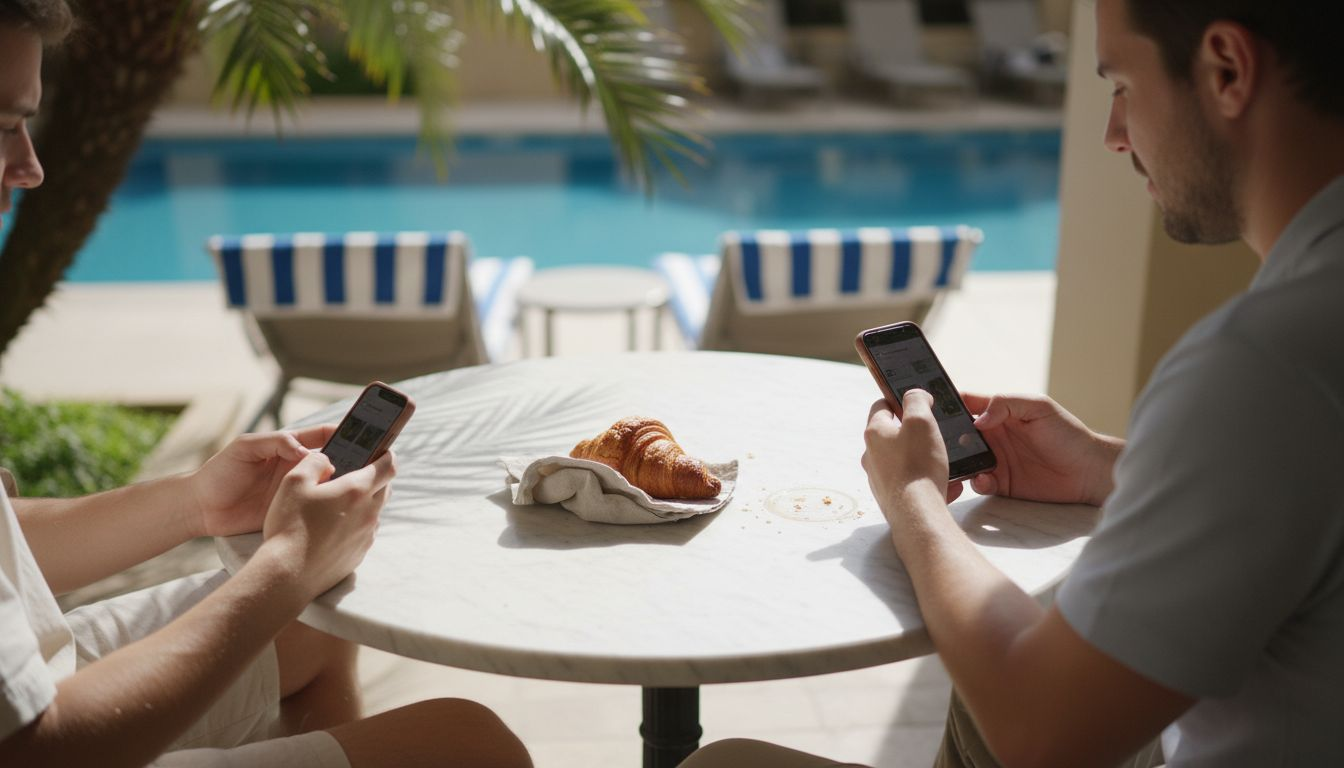
TikTok surprises many luxury marketers with its effectiveness. Despite its reputation for younger audiences, the platform delivers average engagement of 89,000 views per hospitality post. Short-form video content showing behind-the-scenes luxury, unique experiences, and authentic moments resonates powerfully. The algorithm favors engaging content over follower count, giving newer brands unexpected reach.
Facebook maintains relevance for community building and sophisticated retargeting campaigns. While organic reach has declined, the platform’s advertising capabilities and detailed targeting options make it valuable for reaching affluent travelers. Facebook Groups can build loyalty among past guests.
| Platform | Best For | Booking Impact | Content Type |
|---|---|---|---|
| Visual storytelling, direct bookings | 61% of travelers book after discovery | Photos, Reels, Stories | |
| TikTok | Experiential content, viral reach | 89,000 avg views per post | Short-form video |
| Community, retargeting ads | Strong retargeting ROI | Mixed content, Groups | |
| B2B partnerships, event venues | Lower direct booking | Professional content |
Focus your initial efforts on the platforms where your specific luxury traveler demographics spend time. A boutique urban hotel targeting business travelers might prioritize Instagram and LinkedIn. A resort destination targeting leisure travelers might combine Instagram with TikTok.
- Start with two platforms maximum to maintain quality and consistency
- Analyze competitor engagement rates to validate platform choices
- Consider visual storytelling on Instagram as your primary channel
- Test newer platforms cautiously with limited budget before full commitment
- Align platform selection with your multi-channel social media strategy for cohesive messaging
Step 2: Developing Engaging, Authentic Content to Tell Your Luxury Brand Story
Luxury travelers don’t want generic hotel photos. They seek authentic experiences that reflect craftsmanship, heritage, and personalized service. Your content must deliver emotional resonance while maintaining exclusivity.
Curated luxury content captures the attention of 84% of affluent consumers, but only when it feels genuine. Focus on storytelling that emphasizes what makes your property unique. Showcase architectural details, artisan partnerships, local cultural connections, and personalized guest services that can’t be replicated at chain properties.
Short-form videos and guest-generated content increase engagement by up to 25%. Encourage guests to share their experiences and repost their content with permission. This approach provides authentic perspectives while building community. Behind-the-scenes content showing staff expertise, culinary preparation, or property maintenance humanizes your brand.
Maintain brand consistency across all content. Every post should reinforce your luxury positioning through visual style, tone, and subject matter. Random or off-brand content dilutes your message and confuses potential guests about what experience to expect.
Content scheduling ensures regular engagement without overwhelming your audience. Create a content calendar balancing property highlights, guest experiences, local area features, and promotional offers. Analyze performance data monthly to identify what resonates and optimize accordingly.
- Develop content pillars around your unique brand attributes and guest experience
- Create templates for consistent visual branding across posts
- Build a library of guest testimonials and user-generated content
- Schedule posts during peak engagement hours for your target audience
- Leverage luxury hospitality content marketing strategies that emphasize quality over quantity
- Apply visual storytelling techniques that showcase emotional moments and sensory details
Pro Tip: Film short video testimonials of guests during checkout when their positive experience is fresh. These authentic moments convert better than any scripted content and provide ongoing material for your social channels.
Step 3: Leveraging Influencer Partnerships with Clear ROI Measurement
Influencer marketing amplifies your reach, but without proper tracking, it becomes an expensive gamble. The key lies in strategic selection and measurement.
Partner primarily with micro-influencers whose audiences authentically align with your luxury clientele. Followers between 10,000 and 100,000 often deliver better engagement rates and more genuine connections than mega-influencers. Their recommendations feel personal rather than transactional.
Implement tracking mechanisms before any campaign begins. Use unique booking codes, dedicated landing pages, or affiliate links to monitor conversions directly attributable to each influencer. Without this infrastructure, 40% of influencer campaigns fail to deliver measurable booking increases.
Review influencer audience analytics carefully. Demographics, engagement rates, and previous brand partnerships reveal whether their followers match your target guests. An influencer with millions of followers means nothing if those followers can’t afford or aren’t interested in luxury hospitality.
Structure partnerships with clear deliverables and performance expectations. Define content quantity, posting schedule, required hashtags, and booking attribution methods upfront. This clarity prevents misunderstandings and ensures both parties work toward the same goals.
Maintain brand authenticity by choosing influencers whose personal brand reflects your property’s values. A wellness-focused resort partnering with a fitness influencer makes sense. The same resort partnering with a party lifestyle influencer creates confusion.
- Vet potential influencers thoroughly by analyzing their past hotel partnerships and audience response
- Negotiate performance-based compensation when possible to align incentives
- Provide influencers with unique experiences they can authentically share
- Track booking conversions through influencer ROI tracking systems
- Repurpose successful influencer content across your owned channels
- Study how competitors are leveraging influencer content effectively
Step 4: Integrating Direct Booking Capacities and Retargeting on Social Platforms
Reducing friction between discovery and booking dramatically increases conversion rates. Social platforms now offer native booking features that luxury hotels must leverage.
Enable direct booking buttons like Instagram’s Book Now feature to eliminate unnecessary steps. When travelers can book without leaving the app, bookings increase by up to 20%. Every click you eliminate between inspiration and reservation improves conversion.
Implement AI-driven retargeting campaigns that follow engaged users across platforms. Someone who viewed your property page but didn’t book represents warm interest. Retargeting past visitors increases booking likelihood by 10X compared to cold traffic. Smart retargeting shows different creative based on which property features they viewed.
Create exclusive social media-only offers that provide booking incentives while avoiding OTA conflicts. Limited-time packages, room upgrades, or dining credits available only through social channels give followers concrete reasons to book direct. These offers typically boost direct bookings by 10 to 15% when promoted consistently.
Schedule retargeting ads strategically based on typical booking timelines. Leisure travelers often research months ahead, while business travelers book weeks out. Adjust your retargeting frequency and messaging accordingly to stay relevant without becoming annoying.
Monitor booking uplift data continuously. Track which platforms, content types, and offers drive actual reservations. Double down on what works and quickly cut underperforming tactics.
- Set up Facebook Pixel and Instagram tracking on your booking engine
- Create lookalike audiences based on past bookers for targeted acquisition
- Build retargeting sequences with escalating urgency and offers
- Test social media exclusive packages monthly to identify winning offers
- Integrate booking data with your CRM for comprehensive attribution tracking
- Deploy AI-driven retargeting strategies that personalize messaging based on browsing behavior
- Study retargeting for hospitality best practices specific to luxury segments
| Tactic | Implementation Time | Expected Booking Lift | Technical Complexity |
|---|---|---|---|
| Instagram Book Now | 1 to 2 weeks | 15 to 20% | Medium |
| AI Retargeting Campaigns | 2 to 4 weeks | 10X likelihood | Medium to High |
| Social Exclusive Offers | 1 week | 10 to 15% | Low |
| Lookalike Audiences | 1 to 2 weeks | 8 to 12% | Low to Medium |
Pro Tip: Create a dedicated landing page for social media traffic that loads 30% faster than your main site by removing unnecessary elements. This focused page should highlight your most Instagram-worthy features and maintain momentum from social discovery to booking confirmation.
Common Mistakes and Troubleshooting in Luxury Hospitality Social Media
Even experienced marketers fall into predictable traps that undermine social media ROI. Recognizing these mistakes helps you avoid wasted budget and missed opportunities.
Treating social media solely as a digital photo album destroys booking potential. Beautiful images matter, but without clear calls to action, booking integration, and strategic messaging, you’re building brand awareness without conversion pathways. Every post should guide followers toward booking or deeper engagement.
Failing to track influencer campaign ROI leads to continued investment in ineffective partnerships. Without conversion tracking, 40% of campaigns fail to generate measurable results. Implement attribution systems before launching any influencer partnership.
Inconsistent posting schedules damage engagement algorithms and audience expectations. Platforms favor accounts that post regularly. Followers lose interest when you disappear for weeks then flood their feeds. Create sustainable content calendars you can maintain long term.
Ignoring website speed creates a disconnect between social media excellence and booking reality. You invest in stunning content that drives traffic, then lose those potential guests to slow loading pages. Your technical infrastructure must match your marketing ambitions.
Not integrating booking and sales features misses the entire point of social media marketing for hospitality. Social platforms offer native commerce tools specifically designed to reduce friction. Failing to use them sends traffic through unnecessary steps where momentum dies.
- Audit your social profiles monthly for broken booking links and outdated information
- Set up automated alerts when website speed drops below acceptable thresholds
- Create backup content libraries to maintain posting consistency during busy periods
- Review tracking marketing ROI systems quarterly to ensure accurate attribution
- Train all team members on brand voice and visual standards to maintain consistency
- Test your complete booking funnel from social media through confirmation monthly
Expected Results: Measurable Outcomes and Success Metrics
Setting realistic expectations and tracking the right metrics separates successful social media strategies from expensive experiments. Here’s what properly executed luxury hospitality social media delivers.
Direct bookings via social booking features typically increase up to 20% within three to six months of implementation. This lift comes from reducing friction and meeting travelers where they already spend time. The impact grows as you optimize based on performance data.
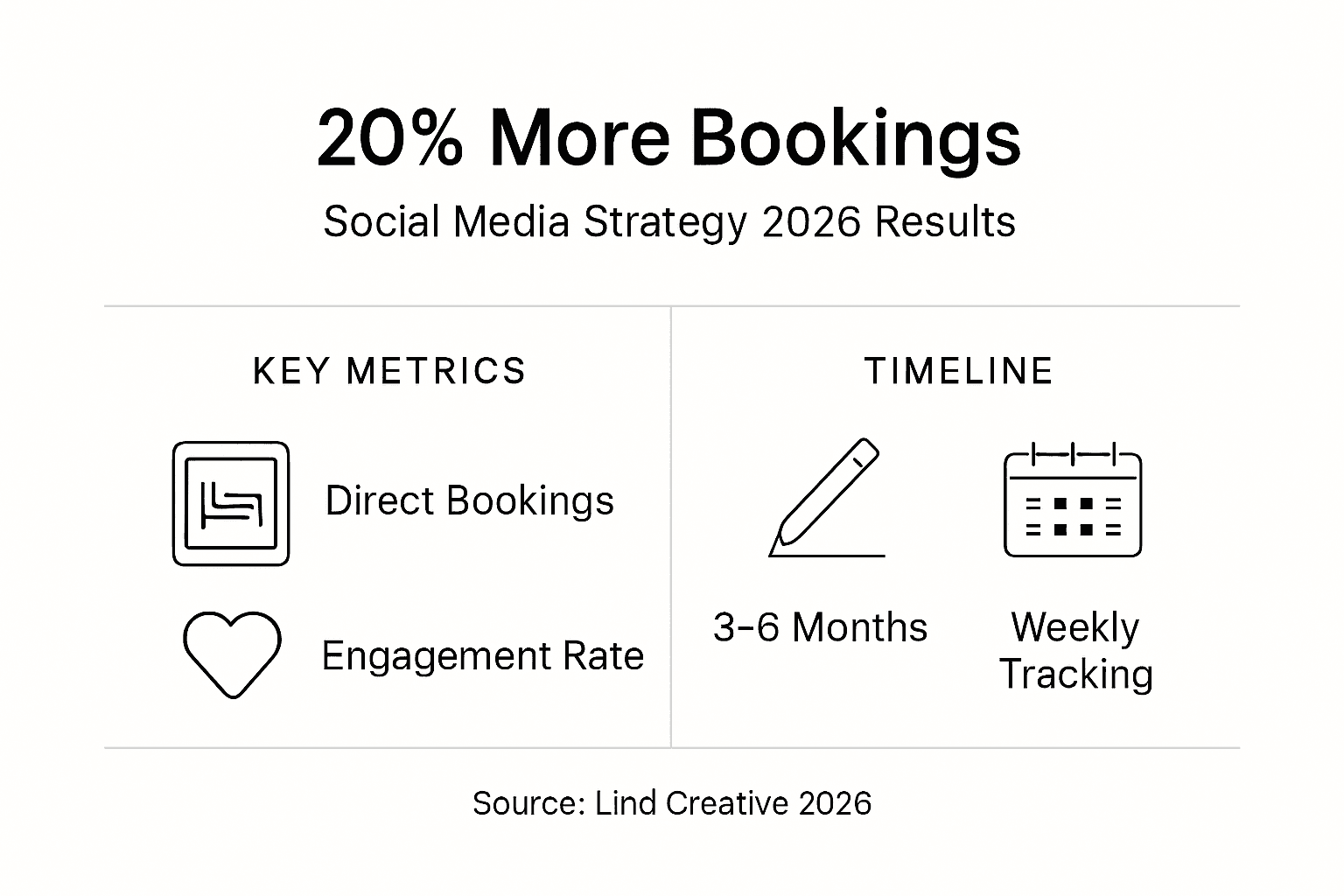
Social media engagement rates improve 10 to 25% within three to six months when you implement optimized content strategies and consistent scheduling. Higher engagement signals platform algorithms to show your content more widely, creating compounding reach.
Repeat guest rates can improve by 15% through active social reputation management and community building. Engaged followers who see regular updates stay top of mind for future trips. Past guests who interact with your content become brand ambassadors.
OTA commission reduction happens naturally as direct booking capabilities strengthen. When you give guests compelling reasons and easy methods to book directly through social channels, you reclaim revenue that would otherwise go to third-party platforms.
These results require consistent effort and optimization. Track performance data weekly, analyze trends monthly, and adjust strategy quarterly based on what the numbers reveal.
| Metric | Timeline | Expected Improvement | Measurement Method |
|---|---|---|---|
| Direct Social Bookings | 3 to 6 months | 15 to 20% increase | Booking engine attribution |
| Engagement Rate | 3 to 6 months | 10 to 25% increase | Platform analytics |
| Repeat Guest Rate | 6 to 12 months | 10 to 15% increase | CRM analysis |
| OTA Commission Costs | 6 to 12 months | 5 to 10% reduction | Financial reporting |
| Cost Per Acquisition | 3 to 6 months | 15 to 30% reduction | Marketing analytics |
Realistic timelines matter. Social media marketing builds momentum over months, not weeks. Early wins in engagement lead to booking increases as trust develops. Patience combined with consistent optimization delivers sustainable results.
Optimize Your Luxury Hospitality Digital Marketing with Lind Creative
Executing a comprehensive social media strategy while managing daily operations stretches even the most capable marketing teams. Lind Creative specializes in crafting results-driven digital marketing strategies specifically for luxury hospitality brands seeking measurable booking increases.
We understand the unique challenges luxury properties face, from maintaining brand exclusivity while scaling reach to converting social engagement into direct bookings. Our expertise spans social media strategy, visual storytelling services that capture luxury positioning, and multi-channel marketing solutions that maximize ROI across platforms.
Our Growth Engine system automates lead capture, retargeting, and conversion tracking while maintaining the personalized touch luxury travelers expect. Whether you’re refining an existing strategy or building from scratch, we deliver transparent, measurable results that drive real revenue growth. Partner with us to unlock your brand’s full social media potential in 2026 and beyond.
Frequently Asked Questions
Which social media platform offers the highest ROI for luxury hotels?
Instagram delivers the highest ROI for most luxury hotels, with 61% of travelers booking after discovering properties on the platform. Its visual nature perfectly showcases luxury amenities and experiences while offering native booking integration. However, the best platform depends on your specific target audience and property type, so analyze where your ideal guests actually engage before committing full budget.
How often should luxury hospitality brands post on social media for optimal engagement?
Post four to seven times per week on Instagram, including a mix of feed posts, Stories, and Reels. TikTok performs best with three to five posts weekly, while Facebook engagement peaks at three to four quality posts per week. Consistency matters more than frequency, so choose a sustainable schedule you can maintain long term without sacrificing content quality.
What are the best ways to measure influencer campaign success?
Track direct bookings through unique codes or affiliate links assigned to each influencer, monitor engagement rates on influencer content compared to baseline, measure website traffic from influencer profile links, and calculate cost per acquisition for influencer-driven bookings. Set up these tracking systems before campaigns launch. Without proper attribution, you can’t distinguish successful partnerships from expensive vanity metrics.
Can small luxury hotels benefit from TikTok despite being newer to luxury marketing?
Absolutely. TikTok’s algorithm favors engaging content over follower count, giving small luxury properties unexpected reach. Authentic behind-the-scenes content, unique property features, and local experiences often outperform polished ads. Start with a test budget, create genuine short-form videos showcasing what makes your property special, and analyze performance before scaling investment.
How can social media exclusive offers avoid OTA restrictions effectively?
Structure offers as value-adds rather than rate discounts to maintain rate parity. Provide room upgrades, dining credits, spa services, or experience packages available only through social bookings. Partner with local businesses for exclusive add-ons that don’t appear in your standard rate structure. These enhancements give followers compelling booking reasons while keeping your base rates consistent across all channels.
Recommended
- SEO Trends in 2025: Maximizing Bookings for Hospitality – Lind Creative
- Online Presence: Driving Engagement for Hospitality Brands – Lind Creative
- 7 Powerful Branding Tips for Hotels to Boost Direct Bookings – Lind Creative
- How to Optimize Hotel Website for Higher Bookings – Lind Creative