
Over eighty percent of American travelers say imagery shapes their perception of luxury hospitality brands long before booking. In a crowded market, emotional connection is the lever that helps brands stand out and inspire lasting loyalty. This article outlines actionable visual storytelling techniques designed to help marketing directors transform simple promotions into immersive experiences that captivate and engage discerning guests.
Table of Contents
- Defining Visual Storytelling In Modern Marketing
- Core Elements Of Effective Storytelling Visuals
- Popular Formats For Luxury Hospitality Brands
- Psychology: Why Visuals Boost Engagement
- Key Mistakes Luxury Brands Should Avoid
Key Takeaways
| Point | Details |
|---|---|
| Visual Storytelling Enhances Engagement | Effective visual narratives engage audiences emotionally, moving beyond traditional marketing tactics. |
| Strategic Narrative Cohesion is Crucial | Cohesive visual journeys build connections and communicate brand values through carefully crafted imagery. |
| Technological Innovation Drives Experiences | Luxury brands leverage digital formats for immersive storytelling that invites guest participation. |
| Avoid Common Branding Mistakes | Ensure brand identity consistency and genuine emotional connection to prevent negative perceptions and confusion. |
Defining Visual Storytelling in Modern Marketing
Visual storytelling has emerged as a powerful communication strategy that transforms how hospitality brands connect with audiences. At its core, visual storytelling moves beyond traditional marketing approaches by creating immersive narratives through strategic image sequences and compelling visual language. Modern marketing techniques demonstrate that these visual narratives transcend simple imagery, enabling brands to convey complex emotions and experiences through carefully crafted visual sequences.
The essence of visual storytelling lies in its ability to communicate beyond words. Unlike static advertisements, this approach uses sequential imagery and strategic design elements to craft narratives that engage viewers emotionally. Brands can transform ordinary marketing materials into dynamic storytelling platforms, allowing potential customers to visualize themselves within the experience. By strategically combining images, graphics, and subtle textual cues, hospitality marketers create immersive stories that resonate deeply with target audiences.
Successful visual storytelling in hospitality marketing requires understanding key narrative principles. Marketers must focus on creating cohesive visual journeys that guide viewers through emotional landscapes, highlighting unique brand attributes and experiential qualities. This approach goes beyond showing what a hotel or destination looks like – it communicates how staying there will make customers feel. Each visual element should contribute to an overarching narrative that connects with viewers’ aspirations, dreams, and personal travel motivations.
Pro Tip: Design visual stories that create emotional connections by focusing on human experiences rather than just showcasing amenities.
Core Elements of Effective Storytelling Visuals
Effective storytelling visuals in hospitality marketing require a strategic blend of design, narrative, and emotional intelligence. Multimodal storytelling techniques demonstrate that successful visual narratives go beyond simple imagery, integrating multiple communication elements to create compelling brand experiences. These visuals must work synergistically to communicate complex brand stories that resonate with viewers on both intellectual and emotional levels.
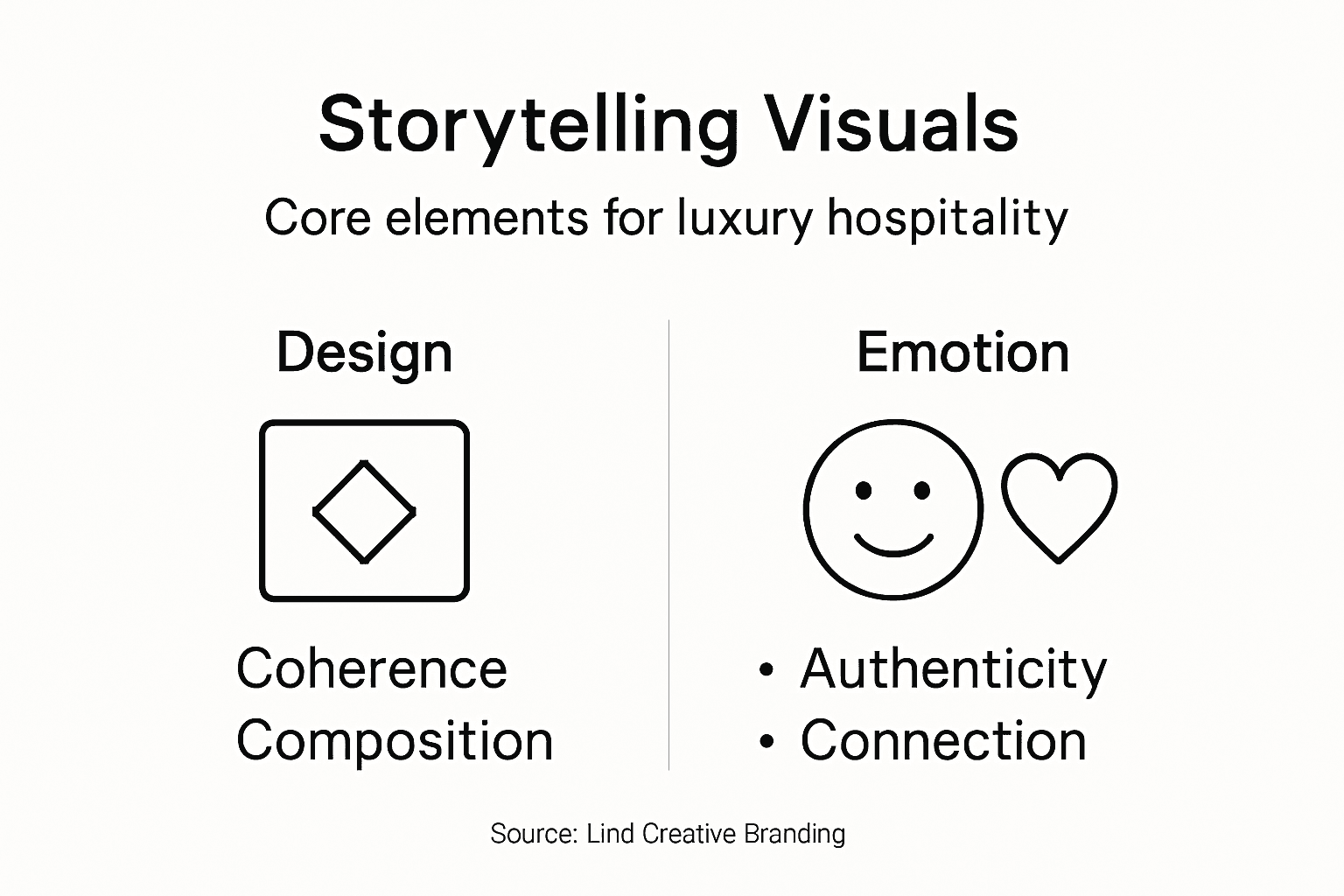
The core elements of impactful storytelling visuals include narrative coherence, strategic composition, and emotional resonance. Brands must carefully select visual components that work together to create a seamless narrative flow. This involves choosing images that not only look aesthetically pleasing but also communicate specific brand values and experiences. Color palettes, graphic design, photography style, and visual composition all play crucial roles in crafting a cohesive visual story that captures the unique essence of a hospitality brand.
Beyond technical design considerations, effective storytelling visuals must prioritize emotional connection. Narrative visualization frameworks highlight the importance of creating visual sequences that guide viewers through an emotional journey. For hospitality brands, this means developing visual stories that allow potential guests to imagine themselves experiencing the destination, feeling the emotions associated with travel, relaxation, and discovery. Each visual element should be intentionally designed to evoke specific feelings and create a sense of personal connection with the brand’s narrative.
Pro Tip: Create visual narratives that focus on human experiences and emotional moments rather than simply showcasing physical spaces or amenities.
Popular Formats for Luxury Hospitality Brands
Luxury hospitality brands are continuously evolving their storytelling approaches to create more immersive and engaging experiences. Experiential marketing strategies have transformed how brands communicate their unique value propositions, moving beyond traditional advertising to create compelling narrative experiences that resonate deeply with discerning guests. These innovative formats leverage digital technologies and emotional storytelling to craft memorable brand interactions.
Several key formats have emerged as particularly effective for luxury hospitality brands. Virtual tours and interactive digital experiences allow potential guests to explore destinations remotely, creating anticipation and emotional connection before arrival. Social media campaigns that showcase behind-the-scenes moments, personalized guest experiences, and brand heritage provide intimate glimpses into the unique world of luxury hospitality. Curated lifestyle narratives have become especially powerful, connecting hospitality experiences to broader lifestyle aspirations and personal identity.
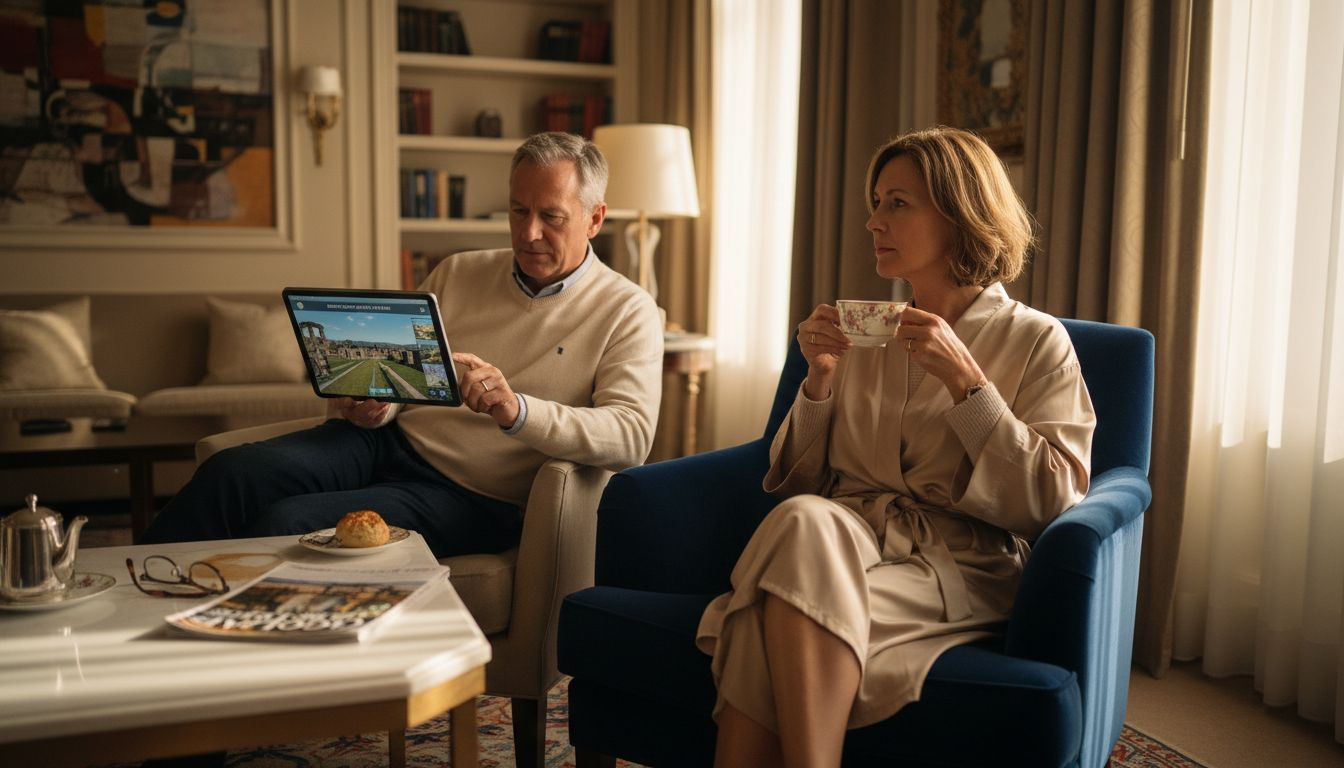
The most successful storytelling formats combine visual aesthetics, emotional depth, and technological innovation. Luxury brands are now creating multi-channel narratives that seamlessly integrate physical and digital experiences. This might include immersive video content, augmented reality experiences, personalized digital storytelling, and live social media interactions that invite guests into the brand’s unique world. Each format is carefully designed to communicate the brand’s distinctive personality, values, and commitment to exceptional guest experiences.
Here’s a summary of key visual storytelling formats and their business impacts for luxury hospitality brands:
| Format Type | Viewer Experience | Business Impact |
|---|---|---|
| Virtual tours | Interactive destination preview | Increases booking intent |
| Social media campaigns | Real-life behind-the-scenes | Builds brand authenticity |
| Curated lifestyle narratives | Connects to guest aspirations | Strengthens emotional loyalty |
| Immersive video content | Engages with cinematic story | Enhances brand memorability |
| Augmented reality | Personalized digital experiences | Differentiates the brand |
Pro Tip: Design storytelling formats that invite guests to become active participants in your brand narrative, not just passive observers.
Psychology: Why Visuals Boost Engagement
Visual content has a profound psychological impact that goes far beyond simple aesthetic appeal. Neurological research demonstrates that images engage multiple cognitive regions simultaneously, allowing the brain to process complex information more efficiently than text alone. This unique neurological response explains why visuals can communicate messages faster, more effectively, and with greater emotional resonance than traditional written communication.
The power of visual storytelling lies in its ability to trigger immediate emotional responses. Brain activation studies reveal that visual content activates regions responsible for perception, memory, and emotional processing, creating a more immersive and memorable experience. Hospitality brands can leverage this psychological mechanism by crafting visual narratives that connect directly with viewers’ emotional landscapes, transforming passive observation into active engagement.
Different visual elements trigger specific psychological responses that marketers can strategically employ. Color psychology, compositional techniques, and imagery selection can evoke feelings of trust, excitement, comfort, or aspiration. By understanding these nuanced psychological triggers, luxury hospitality brands can design visual stories that not only capture attention but also create deep, lasting connections with potential guests. The most effective visuals go beyond mere representation, creating an emotional journey that resonates with viewers’ personal desires and experiences.
Pro Tip: Design visual content that tells a story through emotional triggers, not just descriptive imagery.
Key Mistakes Luxury Brands Should Avoid
Luxury hospitality brands often undermine their visual storytelling efforts by making critical strategic errors that can significantly damage brand perception. Brand identity misalignment represents one of the most fundamental mistakes, where visual narratives fail to consistently represent the brand’s core values and unique positioning. This inconsistency creates confusion among potential guests and weakens the emotional connection that luxury brands strive to establish.
Another significant pitfall is creating visual content that lacks authenticity and emotional depth. Luxury brands must move beyond superficial imagery and craft narratives that genuinely reflect the brand’s unique experience. Storytelling complexity can quickly become a barrier when visual stories become overly complicated or disconnected from the brand’s core message. Successful visual storytelling requires a delicate balance between innovation and clarity, ensuring that each visual element contributes meaningfully to the overall brand narrative.
Marketers in luxury hospitality must also avoid the trap of prioritizing aesthetic trends over genuine brand storytelling. This means resisting the temptation to simply mimic popular visual styles without considering how these approaches align with the brand’s unique identity. The most effective visual stories are those that feel both timeless and deeply personal, creating an emotional connection that transcends momentary design trends and speaks directly to the aspirations and desires of potential guests.
This table contrasts common mistakes with best practices in luxury hospitality visual storytelling:
| Common Mistake | Negative Outcome | Recommended Solution |
|---|---|---|
| Brand identity misalignment | Guest confusion | Ensure narrative consistency |
| Superficial or generic imagery | Weak emotional connection | Focus on genuine experiences |
| Overly complex narratives | Loss of message clarity | Simplify visual storytelling |
| Following short-term visual trends | Timelessness is lost | Highlight brand uniqueness |
Pro Tip: Conduct regular brand narrative audits to ensure your visual storytelling remains consistent, authentic, and emotionally resonant.
Elevate Your Hospitality Brand with Strategy-Driven Visual Storytelling
The challenge of connecting emotionally with your audience through authentic and cohesive visual narratives is at the heart of transforming hospitality brands today. Many luxury brands struggle with misaligned storytelling that fails to capture their unique essence and inspire genuine guest engagement. By focusing on emotional resonance, narrative coherence, and immersive experiences you can turn your marketing efforts into compelling stories that drive loyalty and elevate your brand’s premium positioning.
At Lind Creative, we specialize in helping hospitality businesses build powerful brand identities and craft visually engaging websites that reflect your distinctive story and values. Our strategy-driven design process combines creativity and technology to build immersive digital experiences that invite your guests to become active participants in your brand narrative. From optimizing visual storytelling to automating lead capture with our Growth Engine, we deliver not only stunning marketing but measurable results.
Ready to create an unforgettable brand journey that converts viewers into loyal guests Explore how Lind Creative brings your brand story to life today.
Take the next step to stand out in the competitive luxury hospitality market by partnering with experts who understand the psychology behind compelling visual storytelling. Visit Lind Creative and start building your immersive, authentic brand experience now.
Frequently Asked Questions
What is visual storytelling in hospitality marketing?
Visual storytelling in hospitality marketing refers to the use of images, sequences, and design elements to create immersive narratives that resonate emotionally with potential guests, going beyond traditional advertising methods.
Why is emotional connection important in visual storytelling for hospitality brands?
Emotional connection is crucial because it helps potential guests visualize themselves in the experience, creating a deeper, more personal bond with the brand that can lead to increased loyalty and engagement.
What are some effective formats for visual storytelling in luxury hospitality?
Effective formats include virtual tours, immersive video content, social media campaigns, and curated lifestyle narratives that engage guests and encourage them to actively participate in the brand’s story.
How can hospitality brands avoid common pitfalls in visual storytelling?
Brands can avoid pitfalls by ensuring consistency in narrative, focusing on authentic emotional experiences, simplifying complex narratives, and resisting the temptation to follow short-term visual trends, thereby maintaining their unique identity.
Recommended
- The Essential Guide to Storytelling in Branding – Lind Creative
- Brand Refresh Guide: Elevate Your Hospitality Identity – Lind Creative
- 7 Key Benefits of Branding for Luxury Hospitality Success – Lind Creative
- Digital Branding: Driving Luxury Hospitality Growth – Lind Creative