
Every luxury hospitality brand faces the challenge of truly understanding where their digital strategy stands before making bold moves for 2025. With guest behavior and digital skills varying significantly across populations, a generic approach falls short in markets as dynamic as the United States. This guide provides marketing managers with a practical blueprint to audit digital presence, pinpoint audience traits, set actionable KPIs, and chart custom omnichannel journeys that drive meaningful bookings and guest loyalty.
Table of Contents
- Step 1: Assess Current Digital Landscape And Audience
- Step 2: Define Measurable Goals And Strategic Kpis
- Step 3: Design Tailored Omnichannel Marketing Campaigns
- Step 4: Implement Automation And Optimization Systems
- Step 5: Verify Performance And Adjust For Continuous Growth
Quick Summary
| Main Takeaway | Explanation |
|---|---|
| 1. Audit Your Current Digital Presence | Conduct a thorough review of your existing digital channels and performance metrics to establish a baseline for strategy development. |
| 2. Set Measurable Goals and KPIs | Define clear, trackable marketing goals aligned with business objectives to ensure focused efforts and prove ROI to stakeholders. |
| 3. Implement Tailored Omnichannel Campaigns | Ensure consistent and personalized messaging across all customer touchpoints to enhance guest experience and increase booking rates. |
| 4. Automate Marketing Processes | Use automation for repetitive tasks to scale efforts, allowing your team to focus on strategic activities that yield continuous improvement. |
| 5. Regularly Verify and Adjust Performance | Conduct monthly performance audits to assess channel effectiveness, allowing for timely adjustments to optimize growth strategies. |
Step 1: Assess current digital landscape and audience
Before building your 2025 strategy, you need a clear picture of where you stand today. This means auditing your current digital presence, understanding your audience’s behavior, and identifying gaps between where you are and where you need to be. Think of this as your strategic baseline.
Start by analyzing your existing digital channels. Review your website analytics, social media performance, email engagement rates, and any advertising campaigns currently running. Look at which channels drive the most valuable traffic and where your audience actually spends their time. Your luxury hospitality guests interact with digital content differently than general audiences, so pay close attention to platform-specific behavior.
Next, map out your audience in detail. Understand their demographics, but dig deeper into their digital behaviors and preferences. Research shows that digital skills vary significantly across populations, which directly affects how your guests engage with digital content. Some may prefer seamless mobile booking experiences while others research extensively before clicking. Document these nuances for your specific guest segments.
Conduct a competitive audit of other luxury hospitality brands in your space. What digital strategies are they using? How are they positioning themselves online? What gaps do you see that you could fill? This external perspective often reveals opportunities you might miss when focused solely on your own operations.
Now assess your internal readiness. Do you have the team, tools, and technology to execute a sophisticated strategy? Identify resource gaps early. Understanding regional disparities in digital adoption and infrastructure also helps you segment messaging for guests in different markets, which is critical for luxury brands with multiple properties or international clientele.
Create a simple scorecard documenting your findings across these areas:
- Current channel performance and traffic quality
- Audience digital behavior and platform preferences
- Competitive positioning gaps
- Internal resource and capability assessment
- Technology stack and integration gaps
- Brand perception and messaging consistency
This assessment reveals where your biggest opportunities and challenges exist, setting the stage for everything that follows.
Your baseline assessment should focus on quality metrics, not vanity metrics. Traffic numbers matter far less than conversion rates, guest booking value, and repeat engagement for luxury hospitality.
Pro tip: Create a quarterly audit calendar now so you revisit these metrics regularly throughout 2025—your strategy should evolve as market conditions and guest preferences shift.
Step 2: Define measurable goals and strategic KPIs
Without clear targets, you can’t measure success or know where to adjust your efforts. This step transforms your business objectives into specific, trackable metrics that guide your daily marketing decisions and prove your return on investment to stakeholders.
Start by connecting your marketing goals to your overall business outcomes. For luxury hospitality, this typically means increased direct bookings, higher average room rates, improved occupancy during shoulder seasons, or stronger repeat guest loyalty. Your goals should directly impact revenue, not just vanity metrics like likes or impressions.
Understand that different marketing funnel stages require different KPIs. Awareness stage metrics track how many potential guests discover your brand through paid search, social media, or content. Consideration stage metrics measure engagement—website time, email click-through rates, or property inquiry forms. Decision stage metrics focus on conversions—booking completion rates, cost per acquisition, and booking value. Each stage tells you something different about campaign performance.
When selecting your KPIs, make sure they’re actionable, measurable, and aligned with business strategy. A strong KPI tells you what to do next. For example, “email open rate declined 12% this month” is measurable but not immediately actionable. “Email open rate declined because subject lines changed and didn’t reference luxury experiences” gives you direction on what to fix.
For luxury hospitality specifically, consider tracking these performance indicators:
- Direct booking percentage and booking value trends
- Guest acquisition cost by channel and segment
- Email engagement rates for different guest tiers
- Website conversion rate from visitor to inquiry or booking
- Repeat guest rate and lifetime value
- Review scores and brand sentiment across platforms
- Cost per qualified lead by marketing channel
Assign clear ownership for each KPI. Someone on your team owns tracking it, analyzing it, and reporting insights. Without ownership, metrics get ignored and improvements stall.
The best KPI is one your team actually tracks and discusses weekly. Simplicity beats sophistication when it comes to actually using your data.
Pro tip: Start with just 5-7 core KPIs rather than tracking everything—focus on metrics that directly influence booking revenue and guest loyalty, and add others only as your sophistication increases.
Step 3: Design tailored omnichannel marketing campaigns
Your guests interact with your brand across multiple touchpoints—your website, email, social media, mobile app, and physical properties. A tailored omnichannel campaign ensures they receive consistent, personalized messaging at each stage of their journey. This unified approach drives higher engagement and booking rates than isolated channel efforts.
Start by mapping all your customer touchpoints. For luxury hospitality, this includes paid search ads leading to your website, email nurture sequences, Instagram and Facebook campaigns, SMS alerts for special offers, and in-person experiences at your properties. Document how guests move between channels and what message they receive at each step.
The key difference between multichannel and omnichannel lies in integration. Seamless omnichannel experiences use unified data across touchpoints to track individual preferences and adapt interactions accordingly. If a guest clicks an email about spa packages but doesn’t book, that information should inform the next ad they see or the email they receive next week.
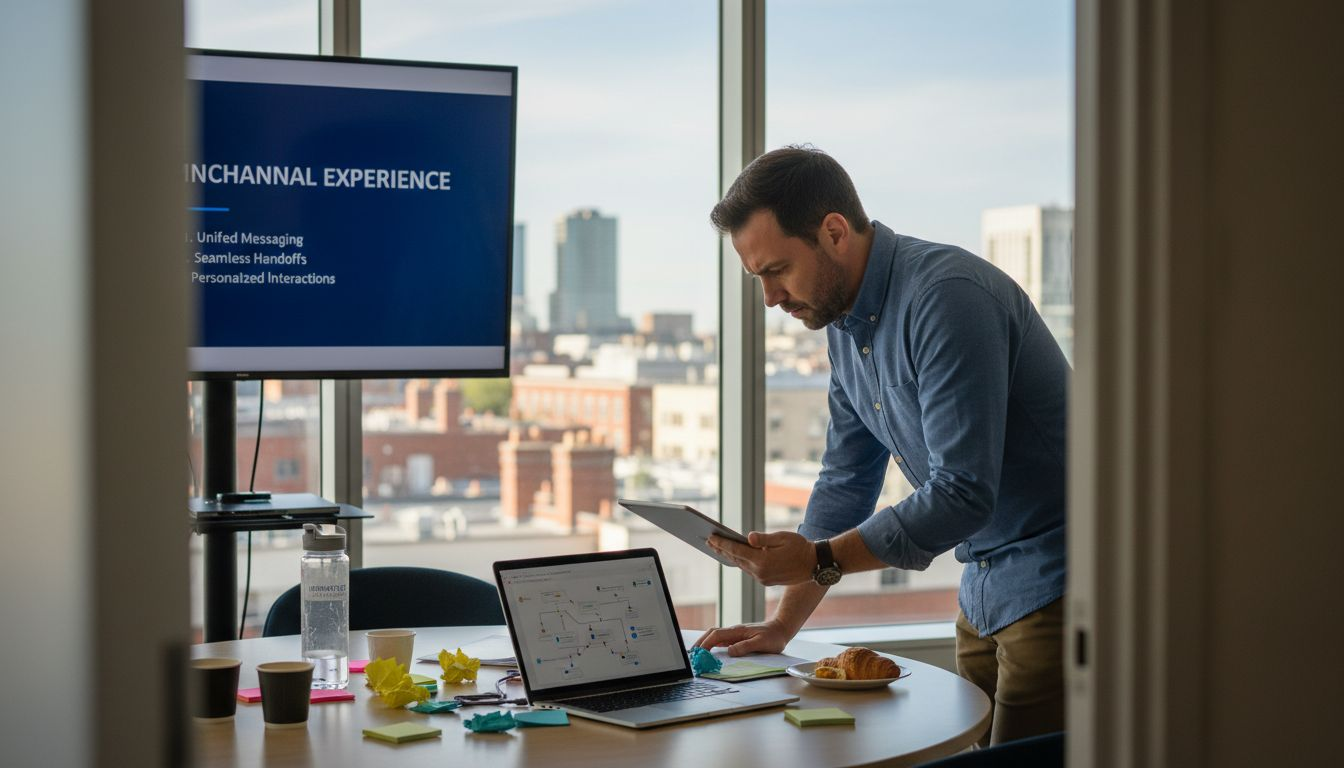
Consider strategic integration models for your properties. Buy-Online-Pickup-In-Store approaches and similar omnichannel operations optimize convenience while increasing revenue across both digital and physical channels. For hospitality, this might mean allowing guests to purchase spa credits online and redeem them at your property, or book a room online and upgrade in person.
Create a content calendar that aligns messaging across all channels. Each channel plays a specific role:
- Email delivers personalized offers to segmented audiences
- Paid search captures high-intent guests actively planning trips
- Social media builds brand awareness and community
- SMS provides time-sensitive offers and booking reminders
- Your website serves as the hub for detailed information and booking
Maintain consistent branding, tone, and visual identity across every touchpoint. A guest who sees your luxury resort on Instagram should recognize your email design and website aesthetic immediately.
Use your customer relationship management system to track guest interactions across channels. This data reveals which campaign combinations drive bookings and which touchpoints matter most for repeat guests versus new prospects.
Here’s how key omnichannel approaches differ:
| Approach | Core Benefit | Challenge | Example in Luxury Hospitality |
|---|---|---|---|
| Multichannel | Broad audience reach | Disjointed messaging | Separate email and social media offers |
| Omnichannel | Seamless guest experience | Data integration required | Synchronized emails, ads, and onsite perks |
| Hybrid | Flexibility across markets | Complex management | Some properties use full integration, others use basic channels |
The most effective campaigns feel personalized at every step. Use data to show each guest the right message at the right time through their preferred channel.
Pro tip: Start by synchronizing just three channels—email, paid search, and your website—before expanding to social and SMS; this focused approach is easier to manage and track than trying to coordinate everything simultaneously.
Step 4: Implement automation and optimization systems
Manual marketing processes don’t scale. Automation handles repetitive tasks like email sends, ad bidding, and lead qualification while optimization continuously refines campaigns based on performance data. Together, these systems free your team to focus on strategy while improving results.
Start by identifying which marketing tasks consume the most time without adding strategic value. Email welcome sequences, birthday offers, abandoned booking reminders, and lead scoring typically top the list for hospitality brands. These are perfect automation candidates because they follow predictable patterns and directly impact revenue.
Understand that AI-powered automation and optimization enhance operational efficiency by reducing manual effort while driving better outcomes. Automation handles the execution, while optimization uses data insights to continuously refine targeting, budget allocation, and messaging. Your system learns what works and adjusts accordingly.
Implement AI-enabled systems for hyper-personalized campaigns and predictive analytics to automate lead qualification and optimize ad placements. For luxury hospitality, this means the system recognizes a guest interested in spa experiences and automatically prioritizes spa package offers in their emails and ads.
Begin with these automation priorities for hospitality marketing:
- Email workflows triggered by guest behavior like cart abandonment or previous booking
- Automated bid adjustments based on time of day, day of week, and conversion performance
- Lead scoring that prioritizes high-intent prospects for sales team follow-up
- Chatbots answering common booking questions and qualifying leads 24/7
- SMS reminders sent automatically before guest arrival or post-stay satisfaction surveys
Choose a marketing automation platform that integrates with your customer relationship management system and booking engine. Data must flow seamlessly between systems so your automations have accurate, current information.
Set up regular performance reviews. Automation removes the day-to-day execution burden, but you still need to monitor results and adjust rules quarterly. An automated campaign that worked brilliantly in summer may need tweaking for fall shoulder season demand patterns.
Below is a summary of automation priorities and their impact:
| Automation Type | Primary Benefit | Impact on Team | Guest Experience Effect |
|---|---|---|---|
| Automated Email Sequences | Timely communication | Saves manual effort | Customized post-booking messages |
| AI Ad Bidding | Improved budget efficiency | Reduces guesswork | More relevant offers served |
| Lead Scoring | Focused sales follow-up | Streamlines pipeline | Fast responses for high-potential guests |
| Chatbots | 24/7 guest support | Decreases routine inquiries | Immediate answers for bookings |
The best automation systems learn from data but require human oversight. Check your automations monthly to ensure they’re still aligned with business goals.
Pro tip: Start automating just email sequences and cart abandonment campaigns before expanding to bid management and lead scoring; mastering one system builds confidence and reveals integration issues before you scale.
Step 5: Verify performance and adjust for continuous growth
Your strategy isn’t static. Regular performance verification reveals what’s working, what isn’t, and where to invest resources next. This continuous cycle of measurement and adjustment is what separates brands that grow from those that stall.
Conduct performance audits at least monthly, reviewing data across all marketing channels and funnel stages. Look at awareness metrics like impressions and reach, consideration metrics like engagement and email opens, and decision metrics like bookings and revenue. Analyzing data across funnel stages and adjusting strategy accordingly prevents you from optimizing the wrong metrics.
Create a dashboard that displays your core KPIs in real time. Your luxury hospitality brand needs visibility into booking volume, average booking value, cost per acquisition by channel, email performance, and website conversion rates. If key stakeholders can access this data anytime, decisions become faster and more informed.
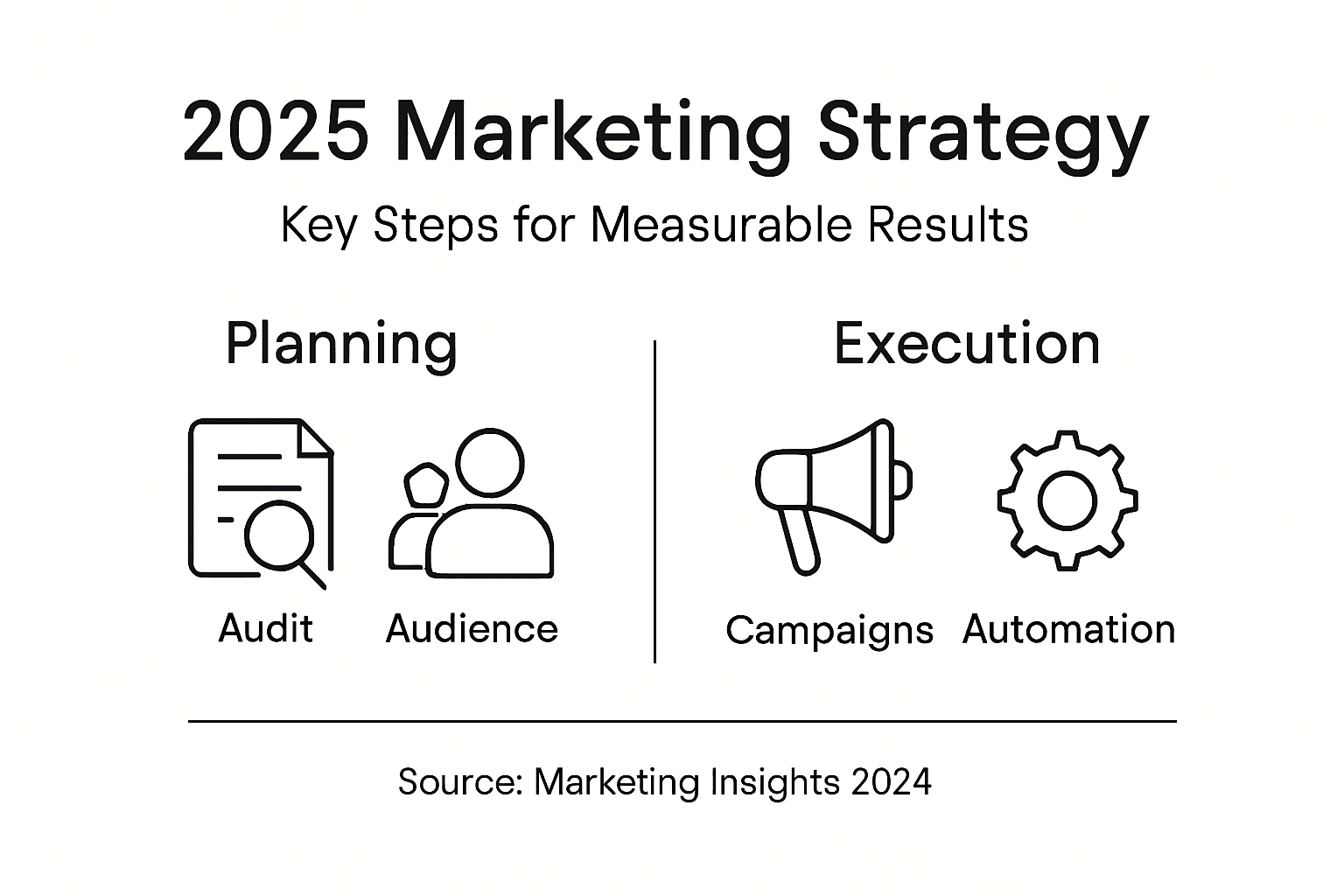
Implement structured performance measurement systems that align metrics with strategy and enable adaptive management. This means your KPIs should directly connect to business objectives, your team understands ownership for each metric, and you review results regularly with stakeholders.
When you identify underperforming channels or campaigns, dig into the why. Low email open rates might indicate subject lines need refreshing. High website traffic but low conversion might mean your booking process is too complicated. Low social media engagement might suggest content doesn’t resonate with your audience. The data points you toward solutions.
Schedule monthly performance reviews with your marketing team and quarterly strategic reviews with leadership. Use these meetings to celebrate wins, identify problems, and adjust tactics for the next period.
Implement these verification practices across your strategy:
- Weekly performance checks on paid advertising and email campaigns
- Monthly audits comparing results against KPI targets
- Quarterly deep dives into channel performance and ROI
- Annual strategy reviews comparing year-over-year growth and market changes
- Continuous A/B testing on landing pages, email subject lines, and ad creative
Growth isn’t guaranteed through one perfect strategy. It comes from measuring, learning, and iterating constantly.
The brands that dominate luxury hospitality marketing aren’t smarter—they’re more disciplined about measuring what matters and adjusting quickly when results shift.
Pro tip: Set up automated alerts for significant performance changes so you catch problems immediately; a 30% drop in booking conversion on Tuesday is worth investigating that day, not waiting for your monthly review.
Drive Measurable Growth with a Strategy Built for 2025
Building a results-driven digital marketing strategy requires clear goals, seamless omnichannel campaigns, and smart automation that adapts to your luxury hospitality brand’s needs. If you find yourself overwhelmed by fragmented messaging, unclear KPIs, or manual processes that hold your team back, Lind Creative provides the expertise and tools to transform these challenges into growth opportunities. From crafting a high-converting website to deploying our signature Growth Engine, we focus on strategy-driven solutions that boost your direct bookings, guest loyalty, and revenue.
Take the next step today. Explore how our team blends creativity, technology, and strategy to deliver real ROI by visiting Lind Creative. Discover how we build high-converting websites, create powerful brand identities, and implement automated marketing systems that align perfectly with your 2025 goals. Don’t let your digital efforts stall—partner with us now to ensure consistent, measurable growth.
Frequently Asked Questions
How can I assess my current digital marketing landscape for 2025?
Start by auditing your existing digital channels, such as your website analytics, social media, and email performance. Document your findings across these areas to understand where you currently stand and identify gaps that need addressing.
What measurable goals should I set in my digital marketing strategy?
Define goals that directly impact revenue, such as increasing direct bookings or improving guest loyalty. Use specific metrics like booking completion rates or average booking values to keep your targets clear and actionable.
How do I design an effective omnichannel marketing campaign?
Map all customer touchpoints to create a unified experience across channels. Develop a content calendar that synchronizes messaging across email, social media, and your website, ensuring consistency in branding and offers.
What processes can I automate in my digital marketing efforts?
Automate repetitive tasks such as email workflows for abandoned bookings or customer inquiries to save time and enhance revenue. Focus on areas that follow predictable patterns, like welcome sequences or lead scoring, to streamline operations efficiently.
How often should I verify performance and adjust my marketing strategy?
Conduct performance audits at least monthly to review key metrics across all channels. Regularly assessing results allows you to identify underperforming areas and make necessary adjustments for continuous growth.
What are the essential KPIs to track in luxury hospitality marketing?
Monitor specific KPIs such as direct booking rates, guest acquisition costs, and email engagement rates. Focus on metrics that directly contribute to revenue and customer loyalty, allowing for proactive management of your marketing strategy.
Recommended
- Build a High-Converting Digital Marketing Workflow – Lind Creative
- Digital Strategy: Unlocking eCommerce Growth and Automation – Lind Creative
- 7 Steps for an Effective Marketing Strategy Checklist – Lind Creative
- Key Digital Marketing Terms Driving Hotel Growth – Lind Creative