
Nearly 90 percent of American consumers say design directly influences their perception of a brand. In today’s digital marketplace, the difference between recognition and obscurity often comes down to how a brand presents itself visually. This guide reveals how modern design shapes American marketing success, translating business objectives into visual stories that forge powerful connections and drive measurable results.
Table of Contents
- Defining Design’s Role in Modern Marketing
- Brand Identity: Building Trust and Recognition
- User Experience and Conversion Optimization
- Visual Storytelling That Connects With Audiences
- Common Design Pitfalls That Limit Marketing Roi
Key Takeaways
| Point | Details |
|---|---|
| Design as a Strategic Asset | Design is crucial for conveying brand messages and building emotional connections, transforming marketing from selling to storytelling. |
| Importance of Brand Identity | A strong brand identity fosters trust and recognition, essential for differentiating a business from competitors. |
| User Experience and Conversion | Effective UX and conversion optimization create seamless customer journeys, enhancing satisfaction and increasing conversion rates. |
| Avoiding Design Pitfalls | Common design issues like inconsistency and complexity can hinder marketing effectiveness, emphasizing the need for cohesive visual strategies. |
Defining Design’s Role in Modern Marketing
Design has emerged as a powerful strategic tool that transforms how brands communicate, connect, and compete in the modern marketplace. Far beyond mere visual aesthetics, design now serves as a critical bridge between business strategy and customer experience. Modern marketing design shapes how businesses communicate their core narrative by translating complex brand messages into compelling visual stories that resonate with target audiences.
At its core, design in marketing is about creating meaningful connections. It’s a sophisticated language that communicates brand values, personality, and promise through carefully crafted visual elements. Strategic design goes beyond surface-level beauty, acting as a sophisticated communication mechanism that can trigger emotional responses, build trust, and differentiate brands in crowded markets. Graphic design’s meticulous approach can significantly enhance business performance and growth, making it an indispensable component of contemporary marketing strategies.
The role of design in modern marketing encompasses several critical dimensions. Visual elements now function as strategic tools that:- Establish immediate brand recognition- Create emotional connections with audiences- Simplify complex information- Improve user experience across digital platforms- Communicate brand values and personalityDesign is no longer a decorative afterthought but a fundamental driver of marketing effectiveness. By integrating design thinking into marketing strategies, businesses can create more intuitive, engaging, and memorable brand experiences that cut through the noise of traditional advertising and forge genuine connections with their target audiences.
This holistic approach transforms design from a purely aesthetic discipline into a strategic business asset that directly impacts brand perception, customer engagement, and ultimately, business growth. With the right design strategy, marketing becomes less about selling and more about storytelling, creating meaningful dialogues that resonate deeply with consumers.
Brand Identity: Building Trust and Recognition
Brand identity represents the strategic cornerstone of business communication, encompassing far more than visual logos or color palettes. It is the comprehensive representation of a company’s core values, personality, and unique market positioning. Consumer-brand value congruity plays a critical role in establishing strong brand identification, directly influencing how customers perceive and connect with a brand.

Brand identity serves as a powerful mechanism for building trust and recognition in an increasingly competitive marketplace. It goes beyond superficial design elements, functioning as a sophisticated communication tool that translates a company’s fundamental essence into tangible, memorable experiences. Successful brand identity strategies create emotional resonance, transforming casual consumers into loyal advocates who feel deeply connected to a brand’s mission and values.
The most effective brand identities are constructed through a multifaceted approach that integrates several key components:- Consistent visual language- Clear and authentic messaging- Emotional storytelling- Unique value proposition- Coherent design across all customer touchpointsBy strategically aligning these elements, businesses can create powerful brand identity frameworks that differentiate them from competitors and establish meaningful connections with their target audiences.
Ultimately, a robust brand identity is not just about looking good—it’s about creating a comprehensive narrative that communicates who you are, what you stand for, and why customers should choose your brand. It transforms marketing from a transactional interaction into a relationship-building process, where every visual and verbal element works harmoniously to build trust, recognition, and long-term customer loyalty.
User Experience and Conversion Optimization
User experience (UX) and conversion optimization represent the critical intersection where design meets strategic business performance. These disciplines transform digital interactions from mere transactions into meaningful, compelling journeys that guide potential customers seamlessly toward desired actions. Advanced frameworks for measuring visual attention reveal how design elements directly impact consumer perception, demonstrating the profound connection between thoughtful design and user engagement.
Conversion optimization goes beyond aesthetic considerations, functioning as a sophisticated approach to understanding and anticipating user behaviors. Successful strategies integrate psychological insights, data analytics, and design principles to create intuitive interfaces that naturally lead users through conversion funnels. This requires a holistic understanding of user motivations, pain points, and decision-making processes that influence their willingness to take action.
The most effective UX and conversion optimization strategies incorporate several key principles:- Intuitive navigation structures- Clear and compelling call-to-action design- Streamlined user journey mapping- Responsive design across multiple devices- Consistent visual and interactive cuesBy implementing responsive design techniques that adapt to multi-device experiences, businesses can create more engaging digital environments that dramatically improve user satisfaction and conversion rates.
Ultimately, trust plays a fundamental role in conversion optimization, bridging the gap between user interaction and meaningful engagement. Successful digital experiences are built on transparent, user-centric design that anticipates needs, reduces friction, and creates a sense of confidence in the brand’s ability to deliver value. By prioritizing user experience as a strategic asset, businesses can transform digital interactions from transactional encounters into meaningful, conversion-driving relationships.
Visual Storytelling That Connects With Audiences
Visual storytelling transcends traditional marketing by transforming brand messages into immersive, emotionally resonant narratives that capture audience imagination. Electronic word-of-mouth marketing demonstrates how compelling visual stories can significantly influence brand perception and consumer relationships, creating powerful connections that extend far beyond conventional advertising approaches.
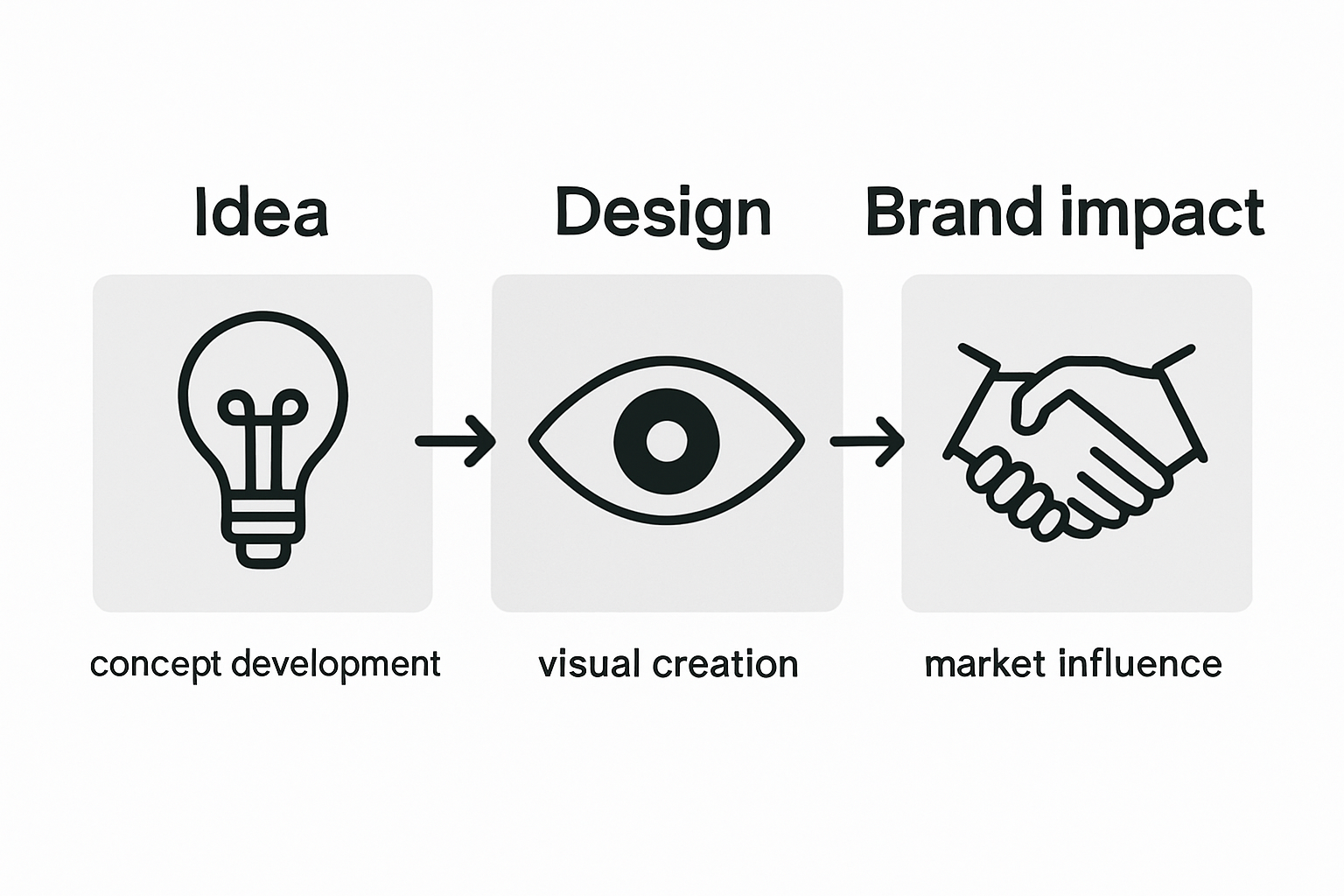
Brand storytelling is a sophisticated communication strategy that weaves together visual elements, emotional triggers, and authentic narrative structures. Successful visual stories are not merely decorative but function as strategic tools that communicate complex brand values, personalities, and unique propositions. These narratives tap into fundamental human experiences, creating memorable touchpoints that transform passive viewers into engaged brand advocates.
The most compelling visual storytelling strategies incorporate several critical elements:- Authentic and consistent brand narrative- Emotionally engaging visual sequences- Strategic use of color and design psychology- Narrative arcs that reflect brand values- Multimedia storytelling across different platformsBy exploring strategic storytelling techniques that connect with audience identities, brands can create powerful visual narratives that resonate deeply with their target consumers.
Brand culture profoundly influences consumer recognition, transforming visual storytelling from a marketing tactic into a genuine method of building meaningful connections. Successful brands understand that their visual stories are not just about selling products but about creating shared experiences, values, and emotional landscapes that invite consumers to become active participants in the brand’s ongoing narrative.
Common Design Pitfalls That Limit Marketing ROI
Marketing design failures can silently erode brand potential and drain marketing investments, creating invisible barriers that prevent businesses from achieving their growth objectives. Visual identity inconsistencies fundamentally undermine a brand’s ability to create recognizable and memorable consumer experiences, turning potentially powerful marketing strategies into fragmented, ineffective communications.
Businesses frequently encounter several critical design pitfalls that dramatically limit their marketing return on investment. These challenges range from superficial aesthetic mistakes to deeper strategic misalignments that disconnect brand messaging from audience expectations. Common problems include inconsistent visual language, overcomplicated design elements, lack of strategic cohesion, and failure to adapt design approaches across different marketing channels and consumer touchpoints.
The most prevalent design mistakes that restrict marketing effectiveness include:- Inconsistent color palette and typography- Cluttered and confusing visual layouts- Misaligned brand messaging and visual representation- Neglecting mobile and responsive design requirements- Ignoring audience-specific design preferencesBy understanding comprehensive website design principles, businesses can systematically address these design limitations and create more compelling, conversion-driven visual experiences.
Brand authenticity requires more than surface-level design consistency, demanding a holistic approach that integrates visual storytelling with genuine strategic intent. Successful marketing design transcends aesthetic considerations, becoming a sophisticated communication tool that builds trust, drives engagement, and creates meaningful connections with target audiences. The most effective designs are those that not only look compelling but also authentically represent the brand’s core values and strategic objectives.
Elevate Your Brand Growth with Strategy-Driven Design
If you recognize how critical design is in creating emotional connections, simplifying complex messages, and driving conversion, you know the challenge is turning those concepts into real business growth. Many brands struggle with inconsistent visuals, confusing user experiences, and misaligned messaging that hold back their marketing impact. At Lind Creative, we understand these pain points deeply. Our expert team specializes in crafting high-converting websites and powerful brand identities that align your visual storytelling with your core values and marketing goals.
Discover how our Web Design – Lind Creative services bring intuitive navigation, responsive design, and cohesive brand expression to life. Combine that with our full-service marketing approach on https://lindcreative.com to automate lead capture and funnel management through our signature Growth Engine. Act now to transform your marketing design from a mere aesthetic afterthought into a strategic asset that builds trust, drives engagement, and fuels measurable brand growth. Take the first step towards a brand experience that truly connects by exploring our Resources – Lind Creative for insights and inspiration.
Frequently Asked Questions
What is the role of design in modern marketing?
Design in modern marketing serves as a strategic tool that translates complex brand messages into visual narratives, creating meaningful connections with target audiences, enhancing user experience, and driving business growth.
How does brand identity contribute to customer loyalty?
Brand identity establishes a company’s core values and personality, building trust and recognition which transforms casual consumers into loyal advocates who feel connected to the brand’s mission and values.
Why is user experience important for conversion optimization?
User experience (UX) is crucial for conversion optimization as it creates intuitive, engaging digital interactions that guide customers toward desired actions, improving satisfaction and increasing conversion rates.
What are common design pitfalls that can limit marketing effectiveness?
Common design pitfalls include inconsistent visual language, cluttered layouts, misaligned brand messaging, neglecting responsive design, and ignoring audience preferences, which can erode brand potential and lower marketing ROI.
Recommended
- The Essential Guide to Investing in Branding – Lind Creative
- Why Branding Matters: Complete Guide for Businesses – Lind Creative
- How to Build a Brand Identity for Growth-Focused Businesses – Lind Creative
- Role of a Logo: Everything You Need to Know – Lind Creative