
A brand’s visuals shape first impressions long before words are spoken. Studies show that people form judgments about a company within just seconds based on its visual identity. Your logo, colors, and typography do more than just decorate—they silently tell your brand’s story, set you apart from competitors, and spark instant recognition. Understanding visual identity takes the guesswork out of brand building and helps you connect with your audience in a meaningful and lasting way.
Table of Contents
- What Is Visual Identity?
- Core Visual Identity Components
- Visual Identity’s Strategic Functions
- Consistency And Adaptability Benefits
- Legal And Risk Considerations
Key Takeaways
| Point | Details |
|---|---|
| Definition of Visual Identity | Visual identity encompasses logos, colors, typography, and imagery, serving as a strategic communicator of a brand’s essence and values. |
| Core Components | Essential elements include logo design, color palette, typography, and imagery style, all curated for cohesive brand storytelling. |
| Strategic Functions | Visual identity enhances brand recognition, emotional engagement, market positioning, and cohesive communication across platforms. |
| Legal Considerations | Brands must protect their visual identity through trademark registration and ensure compliance with industry standards and copyright laws. |
What Is Visual Identity?
A visual identity is the tangible representation of a brand’s core essence, translating abstract values and personality into concrete visual elements that communicate and resonate with an audience. According to Grand Valley State University, visual identity is the “viewable expression of a brand” that strategically combines logos, typefaces, colors, and imagery to create a consistent and recognizable image.
At its core, visual identity goes far beyond mere aesthetic design. It serves as a silent communicator, instantly conveying your brand’s personality, values, and unique positioning without uttering a single word. Brandeis University emphasizes that a robust visual identity system involves the “consistent use of logos, colors, and typography” which gradually becomes deeply associated with an organization, powerfully reinforcing its core messages and inherent personality.
The key components of visual identity typically include:
- Logo: Your brand’s most recognizable graphic symbol
- Color Palette: Specific color codes that represent your brand’s emotional tone
- Typography: Consistent font styles that communicate your brand’s character
- Imagery Style: Consistent photographic or illustrative approaches that reflect brand values
By carefully crafting these elements, businesses create a visual language that helps them stand out in crowded marketplaces, build instant recognition, and forge deeper emotional connections with their target audience. Brand Identity Explained: Building Trust and Value offers deeper insights into how these visual components work together to create meaningful brand experiences.
Core Visual Identity Components
Building a powerful visual identity requires carefully curating specific design elements that work together to tell your brand’s unique story. Brandeis University highlights that an effective visual identity system is meticulously constructed with precise guidelines governing each component to ensure consistent representation across all brand materials.
The fundamental components of a robust visual identity include:
- Logo Design
- Primary brand symbol
- Communicates brand essence at a glance
- Scalable across multiple platforms and mediums
- Instantly recognizable representation of your brand
- Color Palette
- Strategically selected color combinations
- Evokes specific emotional responses
- Consistent across all brand touchpoints
- Reflects brand personality and values
- Typography
- Carefully chosen typefaces
- Reflects brand character and tone
- Consistent font families for headings and body text
- Enhances readability and brand recognition
- Imagery Style
- Consistent photographic or graphic approach
- Reinforces brand narrative
- Unified visual treatment
- Communicates brand values through visual language
These components work synergetically to create a cohesive brand experience. The Essential Guide to Visuals in Branding provides deeper insights into how these visual elements can be strategically combined to create a compelling and memorable brand presence.
Visual Identity’s Strategic Functions
A visual identity is far more than a collection of design elements. It’s a strategic communication tool that transforms abstract brand values into tangible visual experiences. University of Louisville emphasizes that a successful visual identity program is crucial for developing strong name recognition by creating a consistent look and feel that allows audiences to instantly identify and connect with an organization.
The strategic functions of visual identity extend across multiple critical business dimensions:
- Brand Recognition
- Creates immediate visual recall
- Differentiates from competitors
- Builds psychological connection with audience
- Transforms abstract brand promise into visual language
- Emotional Engagement
- Triggers specific psychological responses
- Communicates brand personality non-verbally
- Establishes trust and credibility
- Creates memorable brand experiences
- Market Positioning
- Signals brand’s market segment
- Communicates brand sophistication
- Attracts target demographic
- Reinforces brand’s unique value proposition
- Cohesive Communication
- Ensures consistent messaging across platforms
- Provides visual unity in marketing materials
- Supports integrated marketing strategies
- Enhances brand professionalism
These strategic functions demonstrate that visual identity is a powerful tool for transforming abstract brand concepts into compelling visual narratives.
Brand Strategy Explained: Key Elements and Impact offers deeper insights into how visual elements strategically communicate a brand’s core essence and market positioning.
Consistency And Adaptability Benefits
A visual identity is a delicate balance between maintaining consistency and allowing strategic flexibility. Brandeis University highlights that consistent use of visual identity elements over time reinforces an organization’s core messages and personality, while providing guidelines that enable adaptability across various contexts.
The dual principles of consistency and adaptability create powerful strategic advantages:
Consistency Benefits
- Builds immediate brand recognition
- Establishes professional credibility
- Creates psychological familiarity
- Reduces cognitive load for audiences
- Signals organizational reliability
Adaptability Advantages
- Allows responsive design across platforms
- Supports diverse marketing channels
- Enables creative expression within brand guidelines
- Accommodates evolving business needs
- Prevents visual monotony
University of Louisville reinforces this approach, noting that a well-designed visual identity policy ensures uniform communication to core audiences while allowing materials to clearly belong to the same visual family. This means your brand can maintain its core identity while remaining flexible enough to speak effectively to different audience segments and emerging market opportunities.
The secret lies in creating a flexible framework that provides clear guidelines without restricting creativity.
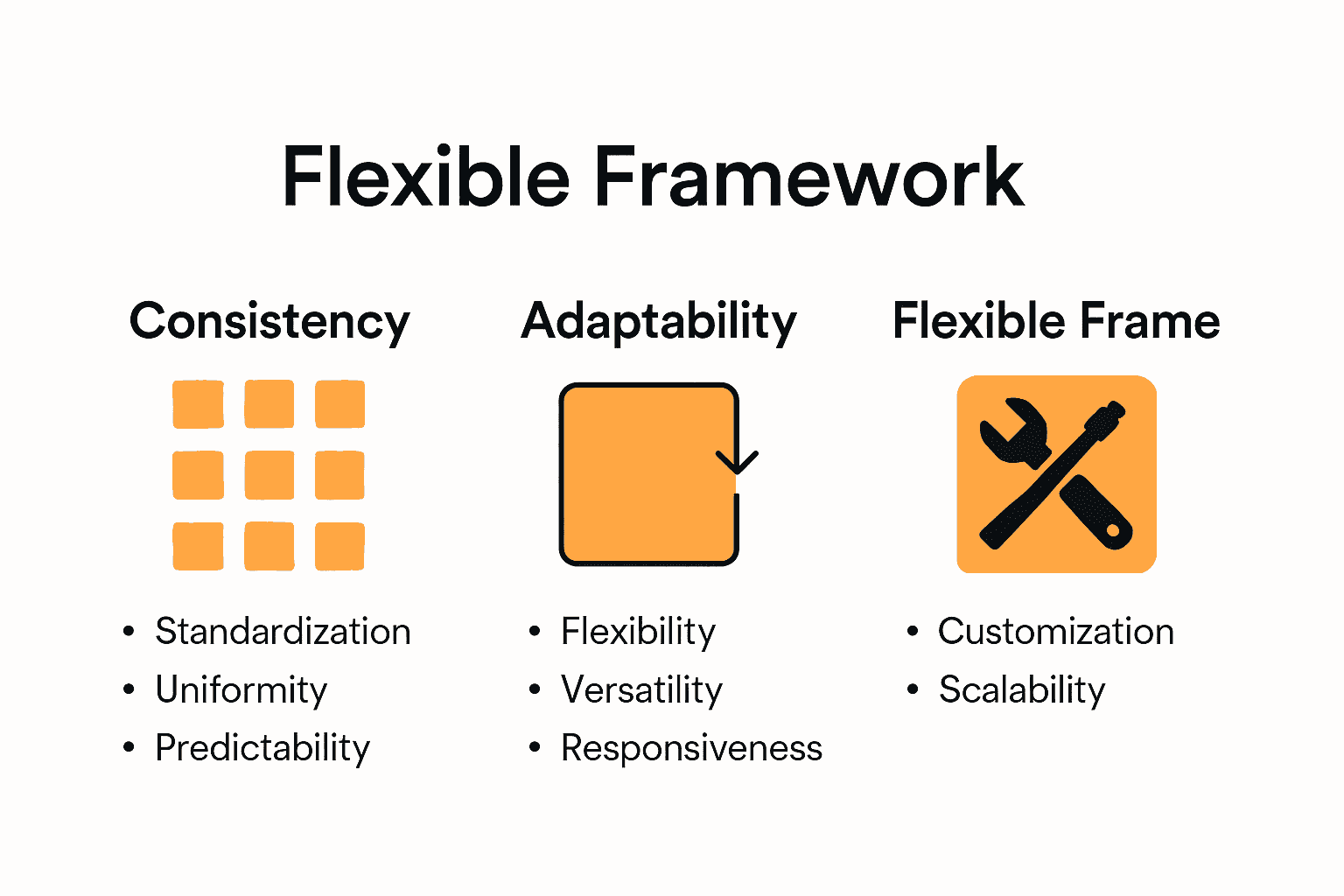 Successful brands develop comprehensive style guides that offer precise rules about logo usage, color applications, and typography, while simultaneously providing creative professionals the breathing room to interpret these guidelines innovatively. Visual Branding Workflow for Powerful Brand Impact offers deeper insights into developing such adaptable yet cohesive visual strategies.
Legal And Risk Considerations
Navigating the legal landscape of visual identity requires strategic awareness and proactive protection. Macrothink Journal emphasizes that visual identity components like logos, typography, and colors are not just design elements, but critical assets that build an organization’s image and require careful legal management.
Key legal considerations for visual identity include:
Trademark Protection
- Register unique visual elements
- Conduct comprehensive trademark searches
- Establish legal ownership of design assets
- Prevent potential infringement risks
- Create robust intellectual property documentation
Compliance Risks
- Ensure design meets industry-specific regulations
- Avoid unintentional cultural appropriation
- Maintain accessibility standards
- Respect copyright and licensing requirements
- Develop comprehensive usage guidelines
International Journal of Architecture and Urban Development highlights that visual identity represents an institution’s comprehensive visual image, encompassing logos, promotional materials, and digital platforms. This holistic view underscores the importance of developing a legally defensible and strategically sound visual framework.
Consultation with intellectual property lawyers can help businesses navigate complex legal terrain, ensuring that visual identity assets are not just creatively compelling but legally secure.
 How to Create a Memorable Brand Identity: Forging Lasting Connections with Your Audience provides additional guidance on building legally robust brand identities.
Elevate Your Brand with a Cohesive Visual Identity
Building a strong visual identity is key to turning your brand’s core values into a powerful, recognizable experience that connects emotionally with your audience. If you are struggling with maintaining consistency, adapting your visuals to different platforms, or legally protecting your brand assets, you are not alone. The strategic approach to logos, colors, typography, and imagery outlined in the guide highlights the importance of a clear and flexible framework to help your brand stand out, build trust, and grow.
Unlock the full potential of your brand with expert support from Lind Creative. Our team specializes in crafting compelling branding & identity solutions and standout graphic design that reflect your unique story while providing legal safeguards and scalable adaptability.

Ready to turn your visual identity challenges into opportunities for growth Take the first step now by visiting Lind Creative. We combine creativity, technology, and strategic marketing to help your business command attention, foster loyalty, and deliver measurable results.
Frequently Asked Questions
What is visual identity in branding?
Visual identity is the tangible representation of a brand’s core essence, encompassing elements like logos, colors, typography, and imagery that collectively communicate a brand’s values and personality.
Why is consistency important in visual identity?
Consistency in visual identity builds immediate brand recognition, establishes credibility, creates psychological familiarity, and signals organizational reliability, ensuring that audiences easily recognize and connect with the brand.
How can businesses ensure their visual identity is adaptable?
Businesses can create a flexible framework with clear guidelines for logo usage, colors, and typography while allowing creative expression to accommodate various marketing channels and evolving business needs.
What are the legal considerations associated with visual identity?
Legal considerations include trademark protection for unique visual elements, compliance with industry regulations, and ensuring that design meets copyright and licensing requirements to safeguard the brand’s image.
Recommended
- The Essential Guide to Visuals in Branding – Lind Creative
- Brand Identity Explained: Building Trust and Value – Lind Creative
- Visual Branding Workflow for Powerful Brand Impact – Lind Creative
- How to Create a Memorable Brand Identity: Forging Lasting Connections with Your Audience – Lind Creative