
A strong american brand identity starts with visuals that people remember. Studies show that consistent branding can increase revenue by over 20 percent. Whether you run a small business or manage a growing company, getting your look right is not just about standing out but building trust that lasts. This guide will help you build a clear and authentic visual identity, showing you how to create and apply design elements that set your brand apart.
Table of Contents
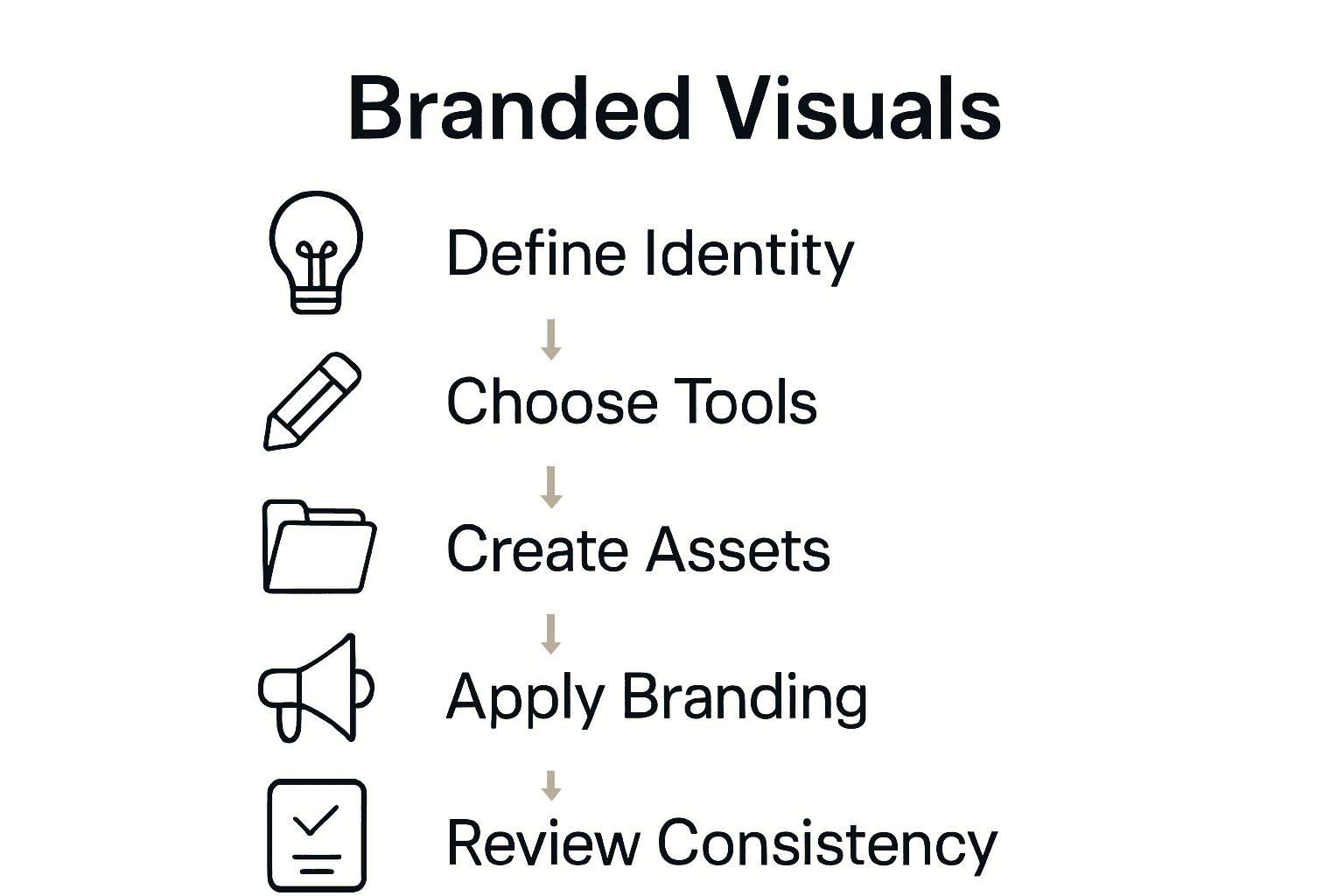
- Step 1: Define Your Brand Visual Identity
- Step 2: Select Tools And Design Templates
- Step 3: Develop Consistent Visual Assets
- Step 4: Apply Branding Across Key Platforms
- Step 5: Review And Refine Visual Consistency
Quick Summary
| Key Point | Explanation |
|---|---|
| 1. Define Your Brand Visual Identity | Establish a unique visual identity that embodies your brand’s mission and values for stronger brand recognition. |
| 2. Choose Suitable Design Tools | Select design platforms that support your brand guidelines and allow for customization across various mediums. |
| 3. Create a Visual Asset Library | Develop a comprehensive library of branded assets including logos, color palettes, and typography for consistent usage. |
| 4. Apply Branding Across Platforms | Implement your visual identity consistently across all digital and physical platforms for a unified brand experience. |
| 5. Review Visual Consistency Regularly | Regularly audit and refine your brand visuals to ensure alignment with your identity and correct any inconsistencies. |
Step 1: Define Your Brand Visual Identity
Defining your brand visual identity is about creating a consistent and memorable representation of your business that communicates your core values and personality. According to drpress, a clear brand identity serves as the bedrock of successful brand strategy, encompassing visual and verbal elements that distinguish your brand from competitors.
To create a powerful visual identity, start by understanding your brand’s fundamental characteristics. This means diving deep into your company’s mission, values, target audience, and unique selling proposition. Your visual elements must authentically represent who you are as a business. Consider factors like color psychology, typography that reflects your brand personality, and imagery that resonates with your audience. As brandeis explains, a visual identity system involves consistent use of logos, colors, and typography that become associated with your organization over time.
Pro tip: Document your brand guidelines comprehensively. Create a style guide that details exact color hex codes, font families, logo usage rules, and acceptable variations. This ensures every team member and external partner can maintain visual consistency across all marketing materials and touchpoints.
By meticulously crafting your visual identity, you transform abstract brand values into tangible, recognizable design elements that build trust and recognition. In the next step, you will learn how to translate these foundational elements into compelling visual assets that tell your brand’s unique story.
Step 2: Select Tools and Design Templates
In this step, you will identify and select the right design tools and templates that will help bring your brand visual identity to life. Edu emphasizes that understanding visual identity helps you make more thoughtful design decisions, regardless of your skill level or medium.
Start by exploring professional design platforms that offer comprehensive template libraries and robust editing capabilities. Look for tools that provide flexibility in color customization, typography, and graphic elements. According to IJNRD, selecting colors and design elements requires careful consideration of factors like target audience demographics, cultural orientations, and personal preferences. Popular design platforms like Canva, Adobe Creative Suite, and Figma offer extensive resources for creating consistent brand visuals across different marketing materials.
Pro tip: When selecting design tools, prioritize platforms that allow you to create and save brand style guides. This feature enables you to establish preset color palettes, font styles, and logo usage rules that can be quickly applied across all your design projects, ensuring brand consistency.
By carefully choosing your design tools and templates, you set the foundation for creating visually compelling brand assets that communicate your unique identity. The next step will guide you through the process of developing a cohesive color palette and typography that truly represents your brand.
Step 3: Develop Consistent Visual Assets
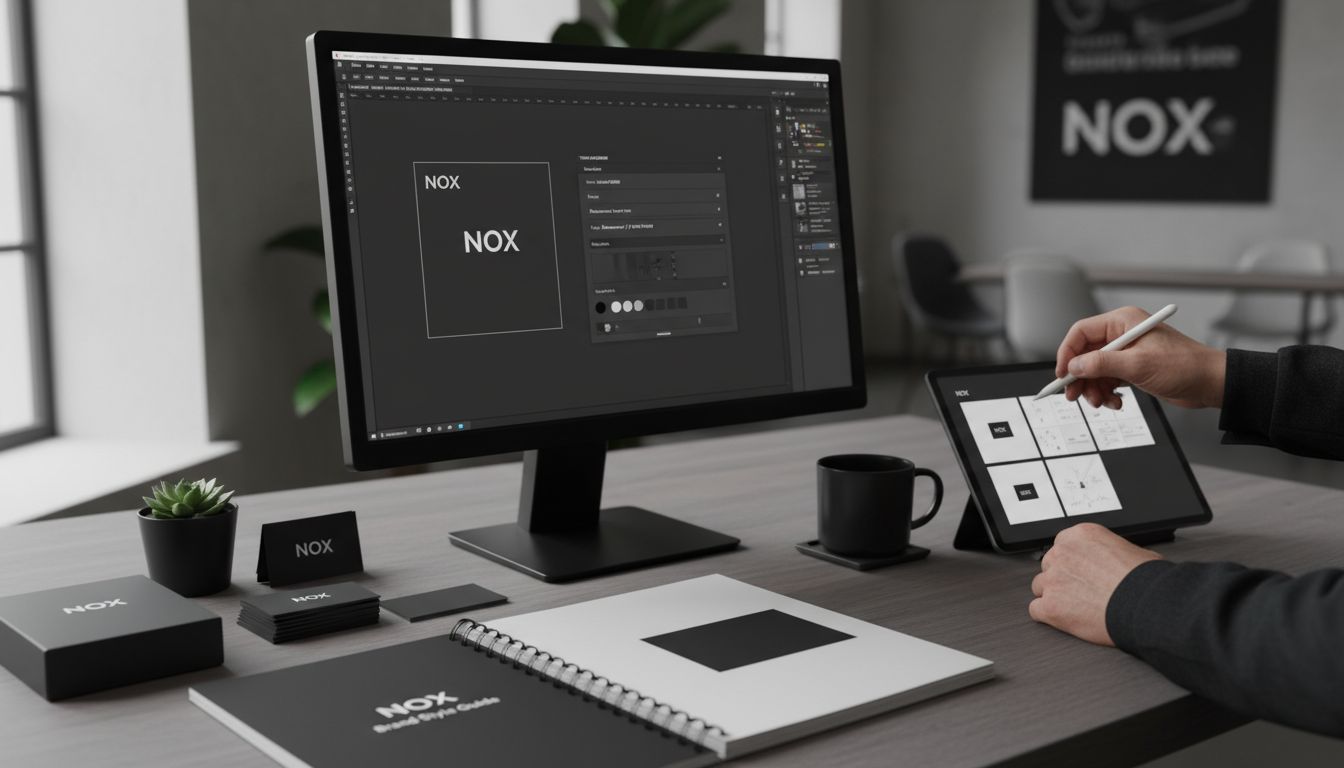
In this step, you will create a comprehensive set of visual assets that communicate your brand identity with precision and clarity. According to UNTHSC, brand identity is more than just a logo it is an intangible asset with tangible economic benefits, encompassing elements like logos, icons, logotypes, color schemes, and graphic design that uniquely represent your organization.
Begin by developing a core visual asset library that includes multiple variations of your logo, color palette swatches, and typography guidelines. Create assets in different formats and sizes to ensure versatility across digital and print platforms. Brandeis demonstrates the importance of showing how various brand elements come together to create cohesive visual communication. Your asset library should include high resolution versions for print, web optimized versions for digital platforms, monochrome variants, and versions that work on different background colors.
Pro tip: Invest time in creating a comprehensive brand style guide that details exact usage rules for every visual asset. This document will serve as a critical reference for internal teams and external partners, ensuring your brand maintains a consistent and professional appearance across all touchpoints.
By meticulously developing your visual assets, you create a powerful visual language that communicates your brand story. The next step will focus on implementing these assets strategically across various marketing channels to maximize your brand impact.
Step 4: Apply Branding Across Key Platforms
In this step, you will strategically implement your visual identity across multiple digital and physical platforms to create a cohesive brand experience. According to Foroalfa, brand design involves establishing specific modes of use for logos and graphic symbols that identify companies, organizations, and services across various contexts.
Start by mapping out all potential touchpoints where your brand will be represented. This includes digital platforms like your website, social media channels, email templates, and digital advertisements, as well as physical touchpoints such as business cards, packaging, signage, and print marketing materials. Brand emphasizes that a well-designed visual identity does more than support your brand it elevates it by instantly communicating who you are and why people should engage with you. Ensure that each platform receives a tailored yet consistent application of your visual assets, adjusting sizes and formats while maintaining core design principles.
Pro tip: Create platform specific templates that maintain your brand integrity while respecting each platform’s unique requirements. This approach allows for flexibility without compromising your visual identity, enabling your brand to look professional and recognizable everywhere.
By meticulously applying your branding across key platforms, you transform abstract design elements into a powerful, unified brand narrative. The final step will focus on measuring and refining your visual branding strategy to ensure ongoing impact and relevance.
Step 5: Review and Refine Visual Consistency
In this step, you will systematically evaluate and enhance your brand’s visual identity to ensure ongoing alignment and impact. Shuttworth College emphasizes that a visual identity comprises graphic elements including name, slogan, logo, graphics, symbols, color, and typography that require regular review and refinement.
Begin by conducting a comprehensive audit of all existing visual assets across digital and physical platforms. Compare each asset against your established brand guidelines, looking for subtle inconsistencies in color saturation, logo placement, typography scaling, and overall visual communication. Faculty suggests that regularly reviewing and refining your visual identity ensures it accurately represents your professional persona and maintains consistency. Pay special attention to how your visual elements perform across different mediums like mobile screens, print materials, social media platforms, and large format displays.
Pro tip: Create a visual consistency checklist that includes specific criteria like color hex codes, minimum logo size requirements, acceptable background variations, and typography spacing. This structured approach will help you systematically identify and correct any deviations from your core brand identity.
By meticulously reviewing and refining your visual assets, you transform your brand from static design elements into a dynamic, evolving communication strategy that remains true to its core essence.
Elevate Your Brand with Consistent Visuals and Strategic Design
Creating branded visuals that truly resonate requires more than just a logo or color palette. This article highlights common challenges such as defining a clear visual identity, selecting the right design tools, and maintaining consistency across platforms. Without a cohesive visual language your brand risks appearing fragmented and losing the trust of your audience. Your goal is to build a visual identity that authentically represents your values while commanding attention and fostering recognition.
At Lind Creative we specialize in transforming these complex branding elements into powerful assets that drive growth. Whether you need expert guidance on developing your unique brand visuals or want to implement them effectively across digital and physical touchpoints, our Branding & Identity – Lind Creative team is ready to help.
Unlock the true potential of your brand with strategic, creativity-driven solutions from Lind Creative. Don’t let inconsistent or unclear visuals hold your business back. Visit Lind Creative to learn how we blend design, technology, and proven marketing systems that make your brand unforgettable and deliver measurable results. Explore our expertise in Graphic Design – Lind Creative and start building a visual identity that commands attention today.
Frequently Asked Questions
How can I define my brand visual identity?
Defining your brand visual identity involves understanding your company’s mission, values, and target audience. Start by creating a style guide that outlines your core characteristics, including color choices, typography, and imagery that reflect who you are as a business.
What design tools should I use to create branded visuals?
Select design tools that offer comprehensive templates and editing capabilities, allowing you to customize colors and typography. Look for platforms that enable you to save brand style guides to maintain consistency across all your designs.
How do I develop a consistent set of visual assets?
To develop consistent visual assets, create a library that includes multiple logo variations, color palettes, and typography guidelines. Ensure these assets are available in different formats for both digital and print use, fostering a cohesive brand representation across platforms.
How should I apply my branding across different marketing channels?
Apply your branding by mapping out all touchpoints where your brand will be represented, including websites and social media. Customize your visual assets for each platform while maintaining a unified identity to ensure recognizable branding everywhere.
What steps should I take to review my brand’s visual consistency?
Conduct a thorough audit of your visual assets by comparing them against your brand guidelines. Create a checklist that includes criteria like color accuracy and logo sizing, then correct any inconsistencies to uphold your brand’s professional appearance.
How often should I refine my visual identity?
Regularly review your visual identity to ensure it remains aligned with your core brand values and resonates with your audience. Aim to reassess your assets every 6 to 12 months to adapt to any changes in branding strategy or audience preference.
Recommended
- The Essential Guide to Visuals in Branding – Lind Creative
- Visual Branding Workflow for Powerful Brand Impact – Lind Creative
- Role of Visual Identity: Complete Guide – Lind Creative
- How to Create a Memorable Brand Identity: Forging Lasting Connections with Your Audience – Lind Creative
- Impact Du Contenu Vidéo Sur Le Branding : Guide Complet