
Over 80 percent of luxury travelers now begin their guest journey online, making digital branding a non-negotiable for every established American hospitality brand. As digital experiences increasingly shape perceptions before check-in, conveying the sophistication of your property through a compelling digital identity directly impacts engagement and returns. This article sheds light on the core elements and technologies that help American marketing managers turn their digital presence into a true extension of luxury hospitality.
Table of Contents
- Defining Digital Branding In Hospitality
- Core Components Of Digital Branding Strategy
- Types Of Digital Branding Experiences
- Personalization, Technology, And Guest Loyalty
- Common Challenges And Mistakes To Avoid
- Measuring ROI And Future Trends
Key Takeaways
| Point | Details |
|---|---|
| Digital Branding Strategy | A successful digital branding strategy integrates storytelling, personalization, and technology to enhance guest experiences in the luxury hospitality sector. |
| Types of Digital Experiences | Luxury hotels should diversify their digital touchpoints, such as social media storytelling and virtual exploration, to engage potential guests effectively. |
| Personalization and Technology | Leveraging advanced technologies for personalization can significantly enhance guest loyalty and create meaningful connections. |
| Measuring ROI | Brands must adopt complex metrics to measure the ROI of digital branding that go beyond financial outcomes to include brand perception and guest sentiment. |
Defining Digital Branding in Hospitality
Digital branding in hospitality represents a strategic approach to creating a compelling online identity that resonates with luxury travelers. Unlike traditional marketing methods, digital branding strategies transform how luxury hotels communicate their unique value proposition through integrated digital experiences.
At its core, digital branding goes beyond simple visual design or website aesthetics. It encompasses a comprehensive strategy that synthesizes storytelling, user experience, digital touchpoints, and emotional connection. Luxury hospitality brands must craft a digital persona that reflects their physical experience, translating the sensory luxury of their properties into an equally immersive online environment. This means creating digital platforms that don’t just showcase amenities but actually provide a glimpse into the exclusive world and lifestyle the brand represents.
Successful digital branding in hospitality requires understanding modern travelers’ expectations. Today’s luxury consumers demand personalization, seamless digital interactions, and authentic representations of brand identity. They seek brands that can demonstrate sophistication through intuitive digital interfaces, high-quality visual content, and responsive engagement across multiple digital channels. Social media, mobile experiences, virtual tours, and personalized digital communication have become critical components of a comprehensive digital branding strategy.
Pro tip: Invest in creating a unified digital ecosystem that maintains consistent brand messaging and visual language across all online platforms to build trust and recognition.
Core Components of Digital Branding Strategy
Digital branding strategy for luxury hospitality is a multifaceted approach that encompasses several critical components. Integrated brand communication plays a pivotal role in creating compelling digital narratives that transcend traditional marketing boundaries, enabling brands to craft immersive experiences that resonate with sophisticated travelers.
The core components of an effective digital branding strategy include strategic brand storytelling, consistent visual identity, personalized user experiences, and omnichannel engagement. Luxury hospitality brands must develop a holistic digital ecosystem that communicates their unique value proposition across multiple platforms. This involves creating seamless digital interactions that mirror the exceptional quality of their physical properties, from visually stunning websites to engaging social media content that captures the essence of the brand’s personality.
Brand Positioning and Identity Components:
- Visual Design and Aesthetic Coherence
- Emotional Storytelling Narratives
- Personalization and Customer Experience
- Digital Content Strategy
- Responsive and Intuitive User Interfaces
Digital marketing strategies in luxury hospitality now demand a sophisticated approach that integrates consumer engagement, technological innovation, and authentic brand representation. This means developing digital platforms that not only showcase amenities but also create meaningful connections with potential guests, using advanced technologies like virtual tours, interactive experiences, and data-driven personalization.

Pro tip: Develop a comprehensive digital brand guideline that ensures consistent messaging, visual identity, and tone across all digital touchpoints to create a unified and memorable brand experience.
Types of Digital Branding Experiences
Luxury hospitality brands are increasingly diversifying their digital branding experiences to create more engaging and immersive interactions with potential guests. Digital branding experiences encompass a sophisticated range of interactive touchpoints that go beyond traditional marketing approaches, strategically designed to capture the imagination and emotional connection of luxury travelers.
These digital experiences can be categorized into several key types, each serving a unique purpose in building brand perception and customer engagement:
- Social Media Storytelling: Creating narrative-driven content that reveals the brand’s unique personality
- Virtual Exploration Experiences: Interactive tours and 360-degree property visualizations
- Personalized Digital Interactions: Tailored communication and recommendation platforms
- Immersive Multimedia Content: High-quality video and photographic experiences
- Interactive Booking Experiences: Seamless, intuitive reservation platforms with customization options
Each digital branding experience is carefully crafted to simulate the exceptional quality and attention to detail that luxury hospitality brands are known for. This means developing digital platforms that are not just functional, but emotionally resonant, allowing potential guests to feel the brand’s essence before they even arrive at the property.
The most effective digital branding experiences leverage advanced technologies like artificial intelligence, augmented reality, and personalization algorithms to create truly memorable interactions. These platforms transform digital touchpoints from mere transactional spaces into compelling storytelling environments that reflect the brand’s unique identity and value proposition.
Pro tip: Invest in creating a consistent, high-quality digital experience that seamlessly translates your brand’s physical luxury into the digital realm, focusing on emotional connection and personalized interaction.
Here’s a summary of how popular digital branding experiences impact guest engagement and brand perception:
| Digital Experience Type | Primary Benefit | Business Impact |
|---|---|---|
| Social Media Storytelling | Builds authentic brand personality | Increases online engagement |
| Virtual Exploration | Immersive property previews | Reduces booking uncertainty |
| Personalized Interactions | Tailors communication for guests | Boosts loyalty and retention |
| Multimedia Content | Highlights property strengths | Improves brand recall |
| Interactive Booking | Simplifies reservation process | Increases direct conversions |
Personalization, Technology, and Guest Loyalty
Personalization strategies in luxury hospitality represent a transformative approach to building deep, meaningful connections with guests, leveraging advanced technologies to create uniquely tailored experiences that drive long-term loyalty and engagement.
At the heart of modern guest loyalty are sophisticated digital technologies that enable granular personalization. These technologies analyze guest data, preferences, and behavioral patterns to create predictive experiences that anticipate individual needs. By integrating artificial intelligence, machine learning, and comprehensive data analytics, luxury hospitality brands can craft experiences that feel intimately customized, from personalized room settings to curated dining recommendations and bespoke travel itineraries.
Key Personalization Technology Components:
- Predictive Guest Preference Algorithms
- Real-time Data Analytics
- Adaptive Digital Interfaces
- Contextual Recommendation Engines
- Intelligent Customer Relationship Management Systems
The most successful personalization strategies transcend simple data collection, transforming raw information into meaningful, emotionally resonant experiences. This means using technology not just as a tool for efficiency, but as a sophisticated mechanism for creating genuine human connections. Advanced personalization platforms can now recognize returning guests, remember their preferences, and proactively suggest experiences that align with their unique interests and past behaviors.
Pro tip: Implement a comprehensive data integration strategy that combines multiple touchpoints to create a 360-degree view of guest preferences, enabling truly personalized and anticipatory service experiences.
Common Challenges and Mistakes to Avoid
Digital branding in luxury hospitality involves navigating complex technological and strategic landscapes where seemingly minor missteps can significantly undermine brand perception and guest experience. The most critical challenges emerge from misaligned digital strategies that fail to authentically represent the brand’s core value proposition.
Key Digital Branding Pitfalls:
- Inconsistent Brand Messaging Across Platforms
- Overlooking Mobile User Experience
- Generic, Impersonal Digital Interactions
- Neglecting Data Privacy and Security
- Superficial Personalization Attempts
One of the most prevalent mistakes is treating digital platforms as mere transactional spaces rather than immersive brand extensions. Luxury hospitality brands frequently fall into the trap of creating standardized digital experiences that lack the nuanced, emotionally resonant qualities of their physical environments. This disconnect can lead to diminished brand perception and reduced guest engagement.
Successful digital branding requires a holistic approach that integrates technological capabilities with deep understanding of guest psychology. Brands must move beyond surface-level personalization, developing sophisticated digital ecosystems that anticipate and exceed guest expectations. This means investing in advanced technologies that create meaningful, contextual interactions while maintaining the authenticity and emotional depth that define luxury hospitality experiences.
Pro tip: Conduct regular comprehensive audits of your digital touchpoints, ensuring each interaction reflects your brand’s unique personality and maintains the same level of sophistication as your physical guest experiences.
Measuring ROI and Future Trends
Measuring return on investment in digital branding requires sophisticated analytical approaches that go beyond traditional financial metrics, capturing the complex relationship between digital experiences and brand value in luxury hospitality.
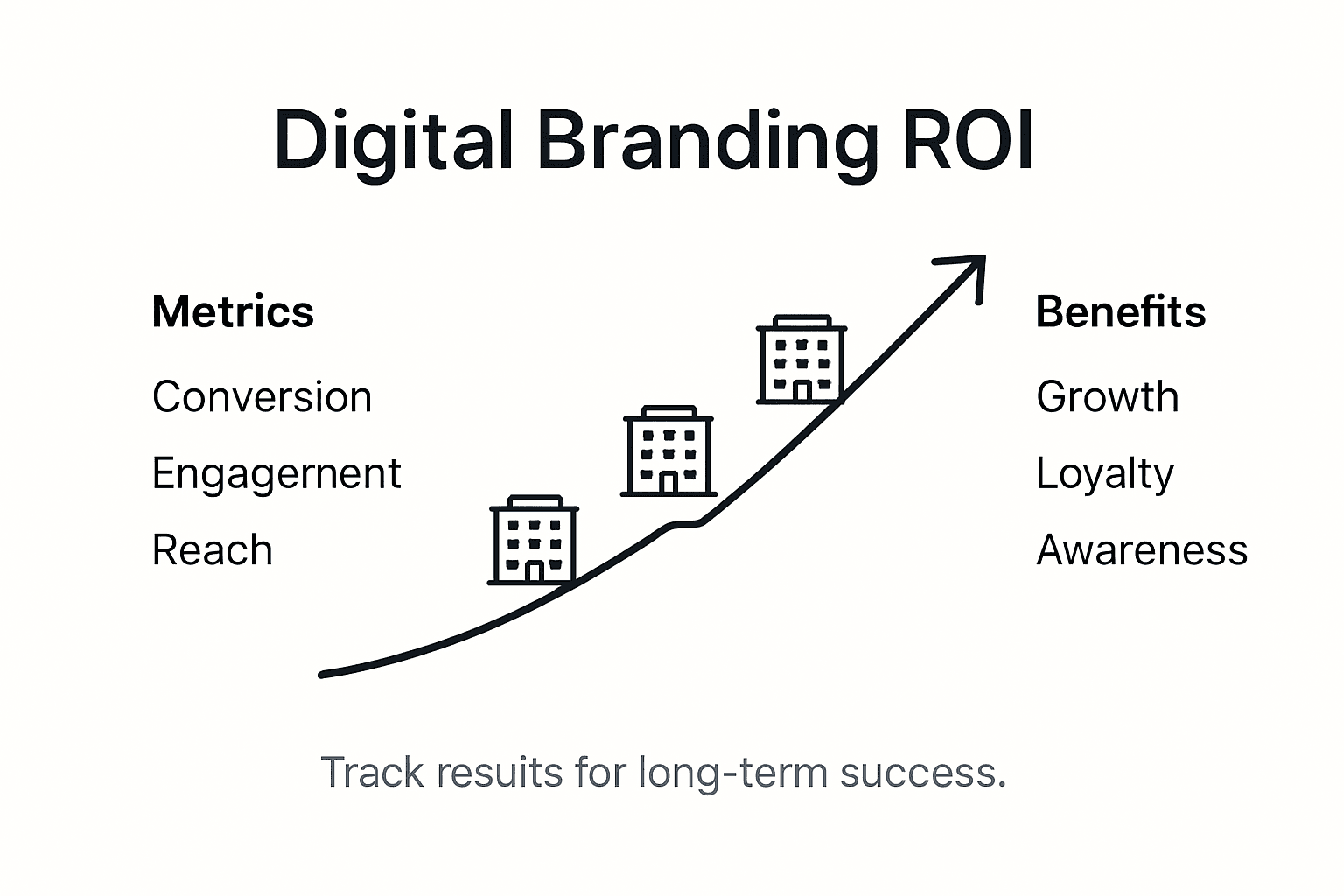
Key Performance Indicators (KPIs) for digital branding ROI now encompass a comprehensive range of metrics that reflect both tangible financial outcomes and intangible brand perception measurements:
Digital Branding ROI Metrics:
- Conversion Rate Optimization
- Customer Lifetime Value
- Digital Engagement Score
- Brand Sentiment Analysis
- Revenue Attribution from Digital Channels
- Guest Retention and Loyalty Indices
Future trends in digital branding measurement are increasingly driven by advanced technologies like artificial intelligence and machine learning. Bibliometric research indicates a significant shift towards more nuanced, predictive approaches in evaluating digital branding effectiveness, with emerging focus areas including sustainability metrics, experiential value quantification, and predictive customer behavior modeling.
Successful luxury hospitality brands are moving beyond simplistic measurement techniques, developing holistic frameworks that capture the multidimensional impact of digital experiences. This means creating integrated measurement systems that track not just immediate financial returns, but long-term brand equity, customer sentiment, and the subtle yet powerful emotional connections generated through sophisticated digital interactions.
Pro tip: Develop a comprehensive digital branding dashboard that combines quantitative financial metrics with qualitative brand perception indicators to gain a 360-degree view of your digital strategy’s true performance.
The table below compares key digital branding ROI metrics and what they reveal for luxury hospitality brands:
| KPI | Measures | Strategic Advantage |
|---|---|---|
| Conversion Rate Optimization | Booking effectiveness | Identifies best-performing channels |
| Customer Lifetime Value | Revenue per guest over time | Informs retention strategy |
| Brand Sentiment Analysis | Guest perceptions and attitudes | Guides messaging improvements |
| Revenue Attribution | Income from digital touchpoints | Supports budget allocation decisions |
| Guest Retention Indices | Repeat guest rate | Signals loyalty program success |
Elevate Your Luxury Hospitality Brand with Strategic Digital Solutions
Luxury hospitality faces the challenge of creating authentic digital experiences that truly reflect the unique value and emotional story of each brand. This article highlights the crucial need for consistent brand messaging, personalized guest interactions, and sophisticated digital platforms that go beyond basic transactions. If you are aiming to build seamless, immersive digital branding that captures high-end travelers’ attention and loyalty, the right design and marketing partner is essential.
At Lind Creative, we specialize in crafting Branding & Identity strategies tailored to luxury hospitality. We combine creative storytelling with technology-driven design to create cohesive digital ecosystems that resonate emotionally.
Transform your digital touchpoints into powerful brand experiences that attract and retain discerning guests. Visit Lind Creative to explore how our strategy-driven design and signature Growth Engine can help you automate lead capture and convert visitors into loyal customers. Ready to take your brand beyond expectations? Discover impactful solutions in Graphic Design and more by contacting us today.
Frequently Asked Questions
What is digital branding in luxury hospitality?
Digital branding in luxury hospitality is a strategic approach to creating a compelling online identity that resonates with luxury travelers, going beyond visual design to integrate storytelling, user experience, and emotional connection.
How can personalization enhance digital branding in hospitality?
Personalization enhances digital branding by using advanced technologies to tailor experiences based on guest preferences, creating unique interactions that foster long-term loyalty and engagement.
What are the key components of a successful digital branding strategy in luxury hospitality?
Key components include strategic brand storytelling, consistent visual identity, personalized user experiences, and omnichannel engagement across various digital platforms to effectively communicate the brand’s unique value proposition.
How do technology and social media impact luxury hospitality branding?
Technology and social media impact luxury hospitality branding by enabling brands to create immersive experiences, engage with potential guests through narrative-driven content, and utilize data for personalized interactions that strengthen brand connection.
Recommended
- Why Branding Matters: Complete Guide for Businesses – Lind Creative
- Digital Branding: Building Impactful Online Identities – Lind Creative
- 7 Essential Types of Branding Strategies for Business Growth – Lind Creative
- Role of Branding in Loyalty – Driving Long-Term Growth – Lind Creative